
Digital 3D Orthodontic Treatment Planning in Seoul
Quick answer
Digital 3D planning combines an intraoral scan, a 3D CBCT and a 3D face scan so the orthodontist can see teeth, roots, bone and facial balance together before moving anything. At Isu Yonsei Baro Orthodontics, Dr. Sally Lee uses the RAY Quantum 5D CT, RAY Face 3D scanner and a digital intraoral scanner to plan treatment, and explains each step in English.
Why 3D planning matters
Traditional orthodontic records, such as 2D X-rays, plaster models and photos, show parts of the picture. Teeth, however, move in three dimensions, inside bone that varies in thickness, within a face that has its own proportions. Combining 3D data gives the orthodontist a more complete view of what can move, how far and how it will look.
The tools used at Isu Yonsei Baro
| Tool | What it shows | How it is used |
|---|---|---|
| RAY Quantum 5D CT (3D CBCT) | Roots, bone thickness, impacted teeth, airway, jaw joints | Safe limits for tooth movement, impacted canines, surgical and re-treatment cases |
| RAY Face 3D facial scanner | Lips, profile, facial symmetry | Judging how tooth position affects the face and smile |
| Intraoral digital scanner | Precise 3D model of teeth and gums | Aligner design, retainers, progress comparison |
| Growth analysis program | Skeletal maturity | Timing treatment in children and teens |
What 3D planning helps with
- Bone boundaries: checking that roots stay within the bone, especially in thin areas behind the lower front teeth
- Impacted teeth: locating canines precisely before guiding them into place
- Non-extraction decisions: measuring space behind the molars for distalization
- Asymmetry and surgery: assessing jaw position and width in three dimensions
- Aesthetics: aligning the smile with the lips and face, not just with other teeth
What to expect at Isu Yonsei Baro
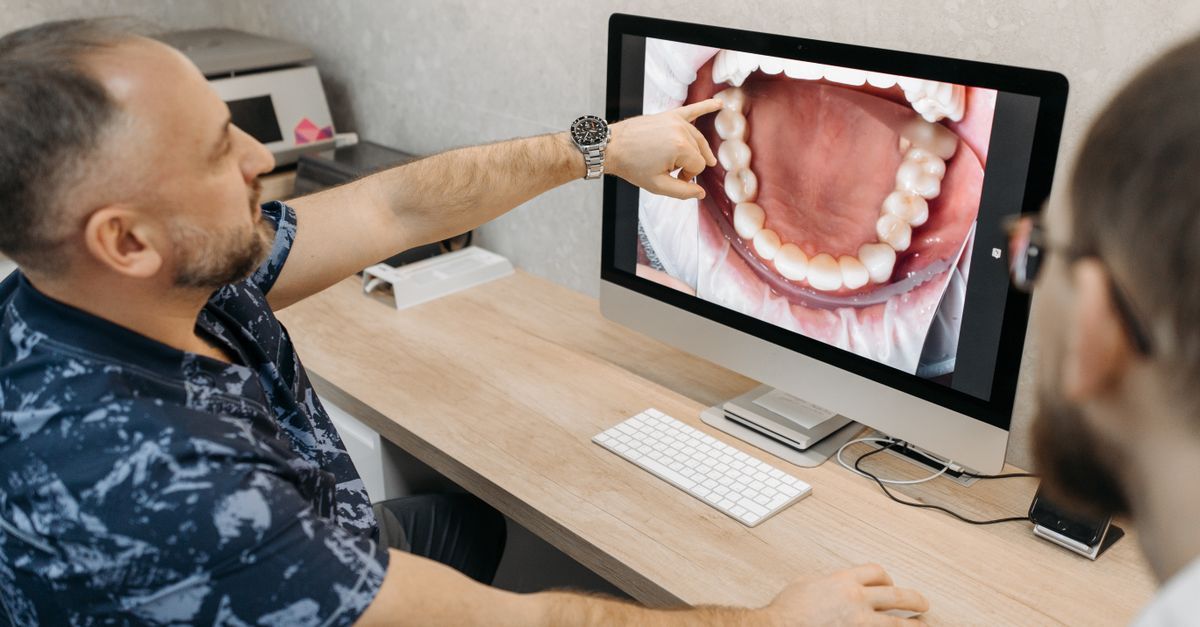
At the first visit, which takes about 60 minutes, the team captures your intraoral scan, X-rays or CT and face scan. There is no impression putty. Dr. Lee then reviews the images with you, explaining in English what they show about your teeth, roots, bone and face, and how that shapes your options, timeline and written estimate.
In Dr. Lee's practice, the CT and face scan are read together rather than separately: a tooth movement that looks fine on the teeth alone may be limited by the bone, or may change lip support in a way the patient would not want. Her training in Seoul National University's digital dentistry course and her role as a 2026 Invisalign Purple Diamond provider reflect a long-standing focus on digital workflows.
Digital records also travel well. If you relocate during or after treatment, the clinic can prepare complete English records, including scans, so an orthodontist abroad can continue your care.
About radiation
CBCT uses X-rays, and Dr. Lee orders it when the information is clinically useful, for example in impacted teeth, surgical cases, asymmetry and re-treatment. She explains why a scan is recommended in your case. For simpler cases, standard dental X-rays together with the intraoral and face scans may be enough.
Seeing the plan before you commit
For aligner cases, the digital setup lets you see a simulation of the planned tooth movements, which Dr. Lee adjusts tooth by tooth before approving. For braces, the 3D records guide bracket positions and help track progress at each stage. Simulations show the plan, not a promised outcome, because biology does not always follow software exactly; progress scans let Dr. Lee compare what has happened with what was planned and adjust.
Individual results and side effects vary; treatment is decided after examination.
At a glance
- RAY Quantum 5D CT: 3D view of roots, bone and jaw joints
- RAY Face 3D facial scanner: lips, profile and facial balance
- Intraoral digital scanner: no impression putty
- Growth-plate and skeletal maturity analysis for children and teens
- Used for braces, aligners, surgical and re-treatment planning
Your orthodontist
Dr. Sally Chaekyung Lee, DDS, PhD
- MOHW-certified orthodontic specialist
- PhD in Orthodontics, Yonsei University; Severance Hospital residency
- Member, Edward H. Angle Society of Orthodontists
- 2026 AJO-DO peer reviewer
- Consults in fluent English and treats you herself, start to finish
Isu Station Exit 2 · 1-minute walk
Mon & Thu until 9 PM · Sat 9 AM–2 PM
+82 2-592-2080
Frequently asked questions
Is a 3D CT scan safe for orthodontics?
Dental CBCT uses X-rays, so it is used when the information helps diagnosis or planning, for example for impacted teeth, surgical cases, asymmetry or re-treatment. Dental CBCT exposure is generally lower than a medical CT scan. Dr. Lee explains why a scan is recommended for you before it is taken.
Do I have to have impressions taken?
No. Isu Yonsei Baro uses an intraoral digital scanner, a small wand that captures a precise 3D model of your teeth in a few minutes. There is no impression putty. The same scan is used for aligner design, retainers and comparing progress during treatment.
What does a 3D face scan add?
A 3D face scan records your lips, profile and facial symmetry. Because tooth position affects lip support and how the smile sits in the face, Dr. Lee uses it alongside the CT and teeth scan to plan movements that look natural in your whole face, not only on the teeth.
Can I get copies of my 3D records?
Yes. The clinic can prepare English records, including scans and imaging, for example if you relocate and an orthodontist abroad needs to continue care, or for insurance purposes. Ask at your visit about the formats you need, and allow some time for preparation.
Related reading
This page is general information, not a diagnosis. Individual results and side effects vary; treatment is decided after an in-person examination. See our editorial and medical review policy .
Talk to Dr. Lee in English
Send your concern and preferred dates. You'll get an examination, your options, a timeline and a written estimate before you decide anything.