
Technology · Diagnosis
Orthodontic Diagnostic Technology in Seoul: 3D CT, Facial Scan and Digital Planning
Isu Yonsei Baro Orthodontics combines a RAY Quantum 5D CBCT, RAY Face 3D facial scanner, intraoral digital scanner and growth-plate analysis so Dr. Sally Chaekyung Lee can see teeth, roots, jaws and facial balance before planning. NovaCare is available to help reduce orthodontic discomfort.
Reviewed by Dr. Sally Chaekyung Lee, DDS, PhD · Updated October 2026
Equipment
What each tool shows, and why it matters
Orthodontics moves teeth through bone. Seeing only the crowns in a mirror leaves out much of what determines whether a plan is safe and stable.
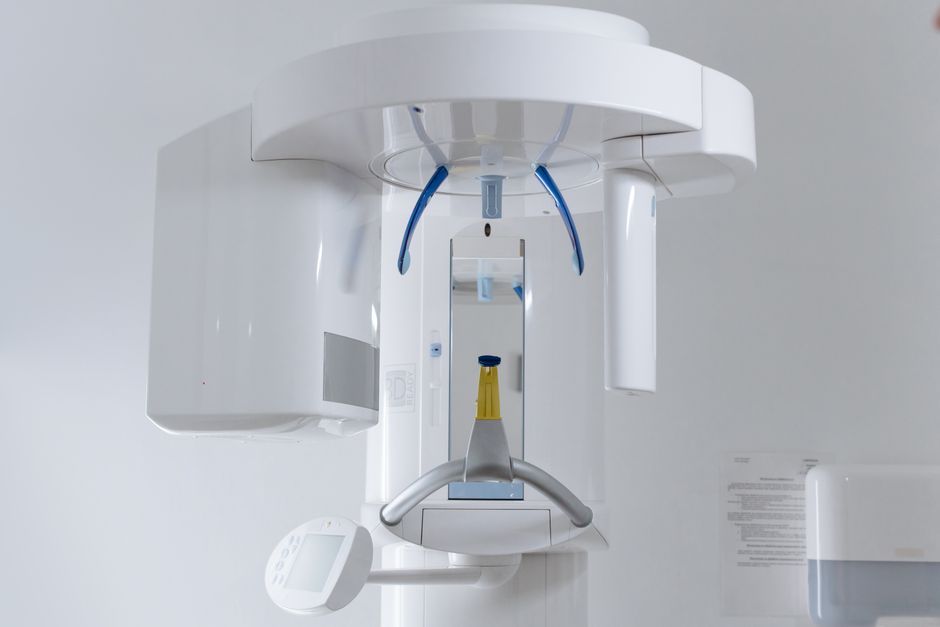
RAY Quantum 5D CBCT
A cone-beam CT that shows teeth, roots, jawbone and airway in three dimensions.
Why it matters: it helps locate impacted canines, check how much bone surrounds roots, and assess jaw asymmetry, so tooth movements are planned within the limits of the bone.
RAY Face 3D facial scan
A 3D scan of the face and soft tissue, used alongside CT data.
Why it matters: straight teeth should also suit the face. The scan helps evaluate lip support, profile and smile symmetry when deciding how far to move front teeth.
Intraoral digital scanner
A small wand that records a precise 3D model of your teeth, with no goopy impression material.
Why it matters: accurate digital models support aligner planning, bite analysis and records you can take with you if you relocate.
Growth-plate analysis
A skeletal maturity analysis program that estimates how much jaw growth remains.
Why it matters: for children and teens, timing can change what is possible. It helps decide whether to start early, monitor, or wait.
NovaCare
A device used to help reduce discomfort that can follow orthodontic adjustments.
Why it matters: comfort affects how well patients keep up with treatment. Its effect varies from person to person.
How the data comes together in your plan
At your first visit (about 60 minutes), the team records digital scans, X-rays or CT and photos. Dr. Lee then reviews the teeth, bite, roots, skeleton and facial balance together, reflecting the clinic's philosophy: scientifically precise, aesthetically refined.
- The CBCT and facial scan show where teeth can safely move and how changes may affect the profile.
- The intraoral scan becomes the digital model for aligner or braces planning.
- For younger patients, growth analysis guides when to begin.
In Dr. Lee's practice, the images are reviewed with you, and she explains in English what each one shows and how it shapes the plan. Read more about digital 3D treatment planning , meet Dr. Sally Lee , or learn about the clinic .
Individual results and side effects vary; treatment is decided after examination.
FAQ
Questions about orthodontic imaging
Why does an orthodontist need a 3D CT scan?
A CBCT shows roots, bone thickness, impacted teeth and jaw shape in three dimensions, which standard 2D X-rays can miss. At Isu Yonsei Baro, Dr. Lee uses the RAY Quantum 5D CBCT to check this information before planning tooth movements.
Do I need to have dental impressions taken?
Usually not. The clinic uses an intraoral digital scanner that captures a 3D model of your teeth in a few minutes without impression material. The digital model is used for planning and can be shared as part of your English records.
What does a 3D facial scan add to orthodontic planning?
The RAY Face scan records your facial profile and soft tissue in 3D. Combined with CT data, it helps Dr. Lee judge how changes to front-tooth position may affect lip support and smile balance, not just tooth alignment.
Can I get copies of my scans if I move abroad?
Yes. If you relocate during treatment, the clinic prepares complete English records so an orthodontist abroad can continue your care. See relocating during treatment.
Talk to Dr. Lee in English
Book a first visit with 3D imaging and a written estimate in English. Isu Station Exit 2, Seocho-gu, Seoul.