
Kids' Early Orthodontics in Seoul: Growth-Based Treatment
Quick answer
Early (Phase 1) orthodontics uses a child's natural growth to guide the jaws and make room for adult teeth, usually between about ages 7 and 10. At Isu Yonsei Baro Orthodontics, orthodontic specialist Dr. Sally Lee and pediatric dentistry specialist Dr. Hoseon Lee assess children with growth-plate analysis and 3D records to decide whether treating now or waiting is better.
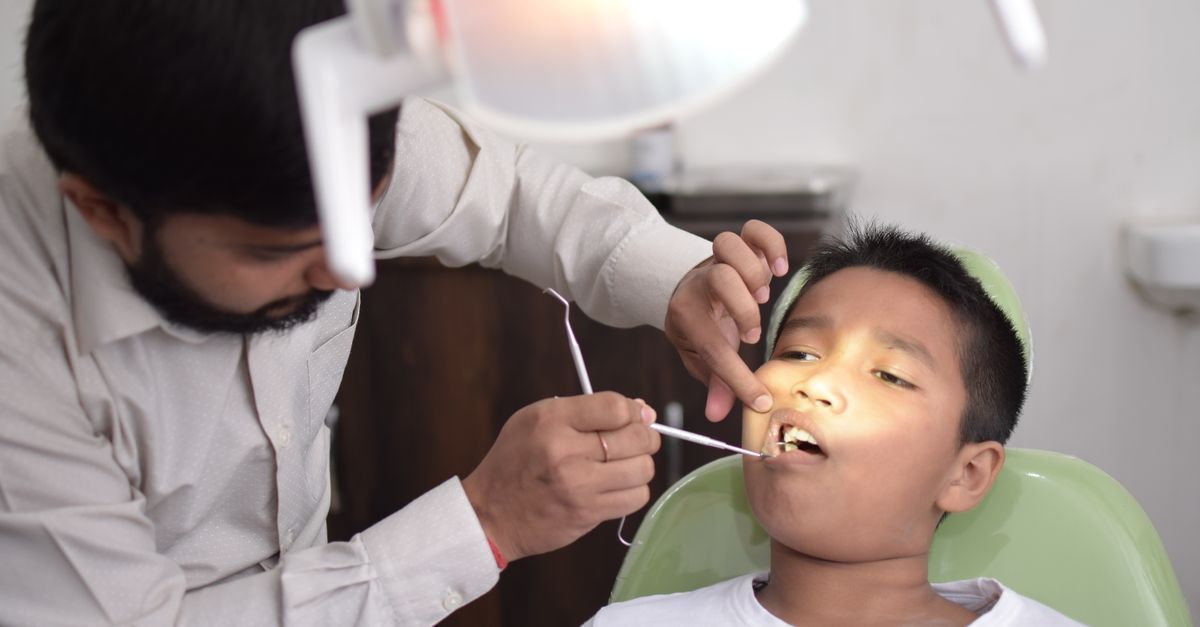
Why check children early?
By around age 7, most children have their first adult molars and front teeth. That is often enough to see whether the jaws are growing in balance and whether there will be room for the remaining adult teeth. An early check does not mean early braces; for many children the right answer is to monitor and wait.
Problems that may benefit from early treatment
- Crossbites, where upper teeth bite inside lower teeth, which can push the jaw to one side
- Underbites and some jaw-size mismatches that respond to growth guidance
- Severe crowding where space for adult teeth can be managed early
- Canines that look likely to become impacted
- Habits such as thumb sucking or mouth breathing that affect jaw development
- Protruding front teeth at higher risk of injury
What early treatment can involve
Phase 1 appliances are usually simpler than full braces: expanders to widen a narrow upper jaw, partial braces on a few teeth, or removable appliances. The goal is to correct problems that are easier to fix while the child is growing, which may reduce the complexity of later treatment. A second phase in the teen years is often still needed, and Dr. Lee explains this upfront.
What to expect at Isu Yonsei Baro
At the first visit (about 60 minutes), we take digital scans with an intraoral scanner, so no gooey impressions, plus X-rays and photos. A growth-plate and skeletal maturity analysis program helps estimate where your child is in their growth curve. Dr. Lee then explains to you and your child, in English, what she sees and whether to treat now or monitor.
In Dr. Lee's practice, timing is the key decision in children's orthodontics: treatment started too early can mean longer total time in appliances, while waiting too long can miss a window of growth, so she bases the decision on skeletal maturity rather than age alone. Her earlier work as an orthodontist at a dedicated children's dental clinic informs this approach.
Dr. Hoseon Lee, a Ministry of Health and Welfare–certified pediatric dentistry specialist, also practices at the clinic, which helps when a child's care involves both baby-tooth issues and orthodontic planning. Saturday mornings and Monday and Thursday evenings fit around school.
For families moving in or out of Korea
- Phase 1 plans can be timed around international school terms and postings
- Complete English records if you relocate mid-treatment
- Records from previous orthodontists abroad are reviewed so care can continue
How parents can help
Early appliances tend to work well when children wear and care for them as instructed. Parents can help by checking that removable appliances are worn, encouraging careful brushing around expanders or brackets, and noting any habits such as mouth breathing or nighttime grinding to mention at visits. Bring any previous dental records or X-rays to the first appointment so Dr. Lee can compare them with today's records.
Individual results and side effects vary; treatment is decided after examination.
At a glance
- First orthodontic check commonly recommended around age 7
- Growth-plate and skeletal maturity analysis to time treatment
- Phase 1 treatment is often around 6–18 months (typical, not promised)
- Orthodontist and pediatric dentistry specialist in the same clinic
- Everything explained to parents and children in English
Your orthodontist
Dr. Sally Chaekyung Lee, DDS, PhD
- MOHW-certified orthodontic specialist
- PhD in Orthodontics, Yonsei University; Severance Hospital residency
- Member, Edward H. Angle Society of Orthodontists
- 2026 AJO-DO peer reviewer
- Consults in fluent English and treats you herself, start to finish
Isu Station Exit 2 · 1-minute walk
Mon & Thu until 9 PM · Sat 9 AM–2 PM
+82 2-592-2080
Frequently asked questions
At what age should a child first see an orthodontist?
Many orthodontic organizations suggest a first check around age 7, when the first adult molars and incisors have usually come in. At that age, Dr. Lee can assess jaw growth and space for adult teeth. Most children seen at this age do not need treatment right away, only monitoring.
Does early treatment mean my child will not need braces later?
Not necessarily. Phase 1 treatment aims to correct jaw and bite problems that are easier to fix during growth. Many children still need a shorter second phase of braces or aligners as teens to fine-tune the adult teeth. Dr. Lee explains the likely full sequence before you decide.
What is growth-plate analysis?
It is an assessment of skeletal maturity, using X-ray information, to estimate how much growth a child has left. Because jaw growth can be used to correct certain problems, knowing where your child is on their growth curve helps Dr. Lee decide when to start treatment and which appliance is appropriate.
Can my child continue treatment if we move abroad?
Yes, in most cases. The clinic plans around your expected move date where possible and prepares complete English records, including scans, X-rays and treatment notes, so an orthodontist in your new country can continue care. Let Dr. Lee know your timeline early so it can shape the plan.
Related reading
This page is general information, not a diagnosis. Individual results and side effects vary; treatment is decided after an in-person examination. See our editorial and medical review policy .
Talk to Dr. Lee in English
Send your concern and preferred dates. You'll get an examination, your options, a timeline and a written estimate before you decide anything.