
What Is the Best Age for Kids' Orthodontics?
Short answer
The American Association of Orthodontists recommends a child's first orthodontic check around age 7. That does not mean treatment starts then; many children simply need monitoring. At Isu Yonsei Baro Orthodontics in Seoul, Dr. Sally Lee uses growth and skeletal maturity analysis to decide whether early treatment helps or whether waiting is better.
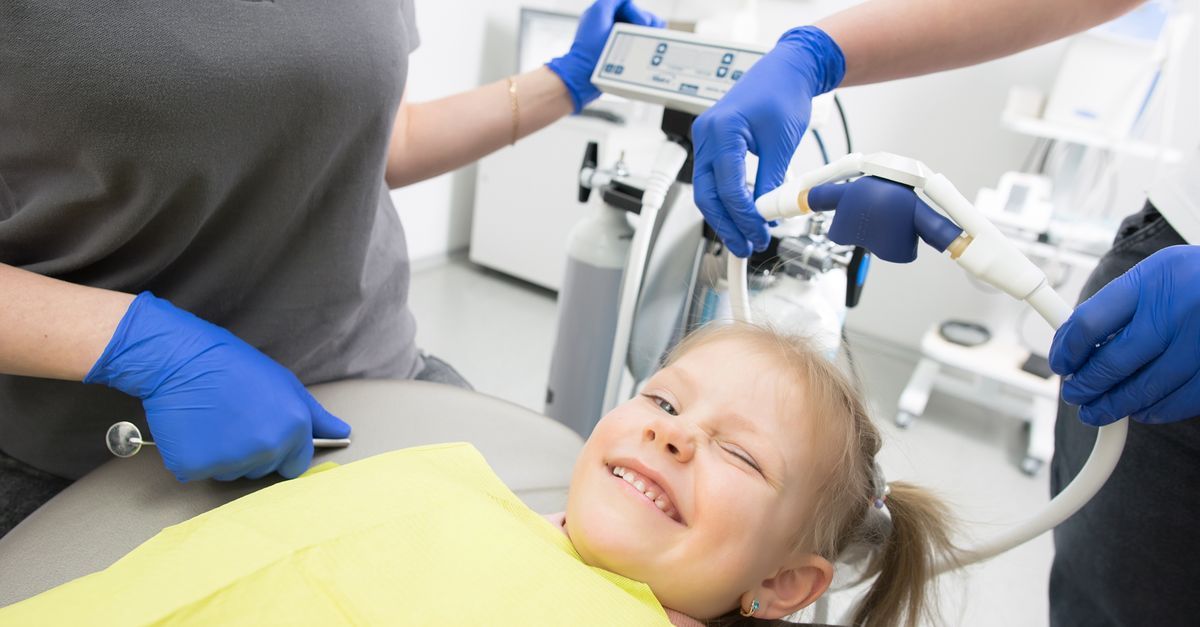
Why age 7?
The American Association of Orthodontists (AAO) recommends that children have their first orthodontic check around age 7. By then, the first permanent molars and incisors are usually coming in, so an orthodontist can see how the bite and jaws are developing. Some problems are easier to address while a child is still growing.
A check at 7 is an evaluation, not a commitment to braces. In many children, the right answer is to monitor growth and revisit later.
When early treatment may help
Early (sometimes called phase one) treatment may be considered for issues such as:
- Crossbites, where upper teeth sit inside the lower teeth
- Underbites and some jaw-growth discrepancies
- Severe crowding or space problems
- Protruding front teeth at risk of injury
- Habits such as thumb sucking or mouth breathing affecting development
- Teeth that are erupting in the wrong place, such as high or impacted canines
Whether early treatment is worthwhile depends on the problem and the child. Some issues are better treated during the teen years, when most permanent teeth have erupted.
Timing with growth
Children grow at different rates, so chronological age is only a rough guide. Skeletal maturity, which can be estimated from X-rays, helps an orthodontist judge where a child is in their growth and plan treatment for the most useful window.
What to expect at Isu Yonsei Baro
Dr. Sally Chaekyung Lee, a Ministry of Health and Welfare certified orthodontic specialist and member of Korean growth dentistry societies, examines your child's teeth, bite and jaw development. We use digital scans, X-rays or 3D CBCT where appropriate, and a growth-plate and skeletal maturity analysis program to estimate growth stage. Dr. Hoseon Lee, a certified pediatric dentistry specialist, also practices at the clinic.
In Dr. Lee's practice, many first visits for young children end with a monitoring plan rather than appliances, and parents receive a clear explanation in English of what to watch for. If treatment is recommended, you receive options, a timeline and a written estimate before deciding.
Saturday morning and late weekday appointments make it easier to fit visits around school, including international schools.
What about teenagers?
Many children start comprehensive treatment between roughly 10 and 14, once most permanent teeth are in. Consented teen cases on our site include a deep bite with a displaced canine and a case with both upper canines erupting high, each treated with braces without extractions in 18 to 19 months.
Individual results and side effects vary; treatment is decided after examination.
Key points
- AAO recommends a first orthodontic check around age 7
- Many children need monitoring, not immediate treatment
- Early treatment may help certain bite and jaw issues
- Growth-plate and skeletal maturity analysis guides timing
- Pediatric dentistry specialist Dr. Hoseon Lee also on site
Answered by
Dr. Sally Chaekyung Lee, DDS, PhD
- MOHW-certified orthodontic specialist
- PhD in Orthodontics, Yonsei University; Severance Hospital residency
- Member, Edward H. Angle Society of Orthodontists
- 2026 AJO-DO peer reviewer
- Consults in fluent English and treats you herself, start to finish
People also ask
Does my child need braces at age 7?
Usually not. The age-7 check recommended by the AAO is mainly for spotting developing problems early. Many children only need periodic monitoring. Dr. Lee explains whether treatment now would help or whether it is better to wait for more permanent teeth.
What is phase one orthodontic treatment?
Phase one is early treatment, typically in younger children, aimed at specific problems such as crossbites or jaw growth issues. It is often followed later by a second phase with braces or aligners. Not every child benefits, so it is decided case by case.
Can children wear clear aligners?
Some children and teens can use aligners, depending on the problem and their ability to wear them consistently. Braces may be more predictable for certain cases. Dr. Lee discusses which option suits your child after an exam.
Is mouth breathing related to orthodontics?
Mouth breathing can be associated with how the jaws and bite develop in some children. An orthodontic exam may identify related bite issues, and referral to a medical specialist may be appropriate to check the airway. Dr. Lee can discuss concerns during an evaluation.
Related reading
This page is general information, not a diagnosis. Individual results and side effects vary; treatment is decided after an in-person examination. See our editorial and medical review policy .
Have a question about your own teeth?
Send a message with photos or previous records. Dr. Lee will tell you what an examination would look at, in English.