
Crossbite Treatment in Seoul for Children and Adults
Quick answer
A crossbite is when some upper teeth bite inside the lower teeth instead of outside. It can affect front teeth (anterior crossbite) or back teeth (posterior crossbite), on one or both sides. At Isu Yonsei Baro Orthodontics, Dr. Sally Chaekyung Lee assesses jaw width and any jaw shift with CBCT and scans, then plans expansion, braces or aligners.
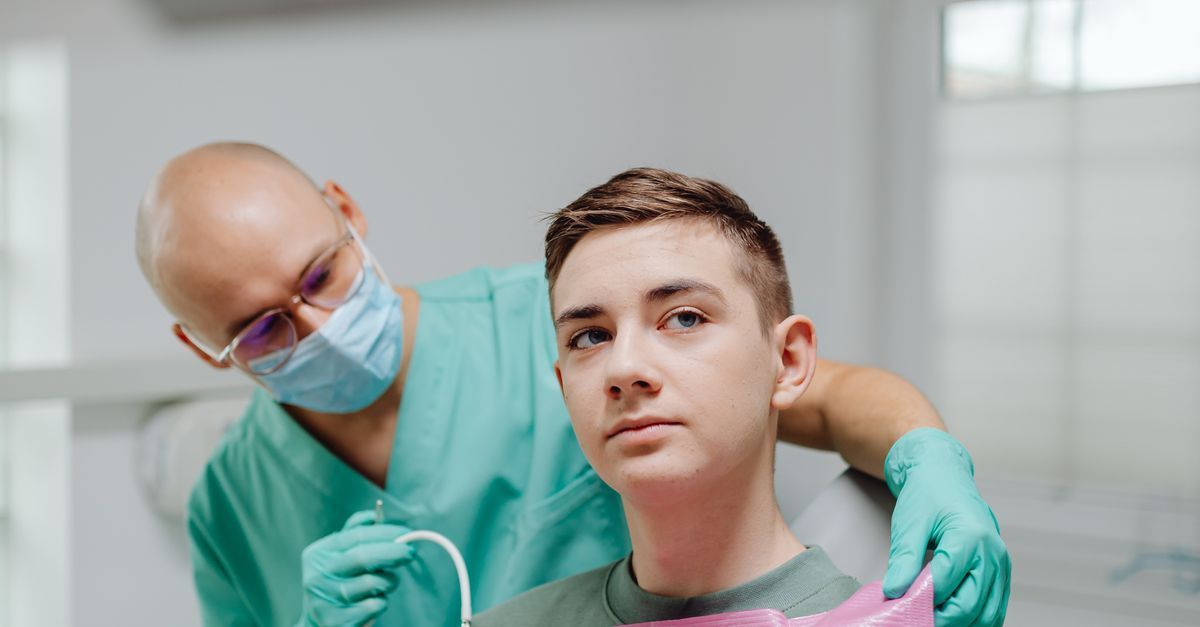
What a crossbite is
The upper dental arch is normally slightly wider than the lower, so upper teeth close just outside the lower ones. In a crossbite, one or more upper teeth close inside instead. When the back teeth are involved it is a posterior crossbite; when front teeth are involved it is an anterior crossbite. A single tooth can be affected, or a whole side of the mouth.
Common causes
- A narrow upper jaw (transverse deficiency), often inherited
- Prolonged thumb sucking or pacifier use
- Mouth breathing and low tongue posture, which may be associated with a narrower palate
- A single tooth erupting in the wrong position, or baby teeth lost too early or too late
Why it matters
A one-sided crossbite in children is often accompanied by the lower jaw shifting to one side when biting. Over time this may contribute to uneven jaw growth and a lopsided look, so early correction is commonly recommended. Crossbites can also cause uneven tooth wear, gum recession on affected teeth and an unbalanced bite.
How it is diagnosed
Dr. Lee checks whether the jaw slides when you close, and measures arch width on intraoral digital scans. A RAY Quantum 5D CT (CBCT) scan shows the width of the upper and lower jaws at the bone level, which distinguishes a skeletal problem from tipped teeth, and shows how much bone covers the roots before any expansion. A RAY Face 3D facial scan documents facial symmetry. For children, skeletal maturity analysis helps judge whether the midpalatal suture is still responsive to expansion.
Treatment options
- Children: palatal expanders as part of early orthodontics can widen the upper jaw while it is still growing.
- Teens and adults with dental crossbite: braces, ceramic braces or aligners can reposition individual teeth.
- Adults with skeletal narrowness: expansion assisted by temporary anchorage devices may be considered, or surgical orthodontics for larger discrepancies.
Dr. Lee's 2024 paper in Applied Sciences examined how upper-lower jaw width discrepancy relates to stability after surgery in Class II patients, which informs how she plans width correction.
Typical timeline
Expansion in children often takes a few weeks of activation followed by several months of stabilization. Comprehensive treatment in teens and adults commonly takes roughly 12–24 months. Individual results and side effects vary; treatment is decided after examination.
What to expect at Isu Yonsei Baro
During the 60-minute first visit you receive scans, X-rays or CT and photos, then an explanation in English and a written estimate. In Dr. Lee's practice, posterior crossbites are always checked for a hidden sideways jaw shift, because correcting the width can also change how the chin lines up. Families with children receive explanations in English, and appointments can be planned around school schedules, with Monday and Thursday evening hours until 9 PM. Dr. Lee treats every patient personally from consultation to retention.
At a glance
- Types: anterior, posterior, unilateral, bilateral; dental or skeletal
- Often linked to a narrow upper jaw; sometimes with a sideways jaw shift
- Children's crossbites are often easier to correct while the palate is still growing
- Adult options include braces, aligners and, for skeletal width problems, anchorage-assisted expansion or surgery
- Dr. Lee has published on transverse jaw discrepancy and surgical stability
Your orthodontist
Dr. Sally Chaekyung Lee, DDS, PhD
- MOHW-certified orthodontic specialist
- PhD in Orthodontics, Yonsei University; Severance Hospital residency
- Member, Edward H. Angle Society of Orthodontists
- 2026 AJO-DO peer reviewer
- Consults in fluent English and treats you herself, start to finish
Isu Station Exit 2 · 1-minute walk
Mon & Thu until 9 PM · Sat 9 AM–2 PM
+82 2-592-2080
Frequently asked questions
Should a child's crossbite be treated early?
Many orthodontists recommend treating a crossbite with a jaw shift fairly early, often between ages 7 and 10, because the palate responds well to expansion and the shift may influence growth. Not every crossbite needs immediate treatment. An evaluation with scans helps decide whether to treat now or monitor.
Can adults fix a crossbite without surgery?
Adults with crossbites caused by tipped teeth are often treated with braces or aligners alone. When the upper jaw itself is narrow, the bone suture is usually less responsive, so anchorage-assisted expansion or surgery may be discussed. CBCT helps measure the true skeletal width before deciding.
Is a palatal expander painful for children?
Most children feel pressure across the upper teeth, nose or cheeks for a few days after each activation, and speech may sound different briefly. Discomfort is usually manageable with soft foods and over-the-counter pain relief your dentist approves. Experiences vary, and the clinic explains what to expect beforehand.
Can Invisalign correct a crossbite?
Aligners can correct some dental crossbites, especially a single tooth or mild tipping of back teeth. Larger skeletal width problems usually need an expander, braces or other approaches. Dr. Lee reviews your CBCT and digital scans to explain which options are realistic for your bite.
Related reading
This page is general information, not a diagnosis. Individual results and side effects vary; treatment is decided after an in-person examination. See our editorial and medical review policy .
Talk to Dr. Lee in English
Send your concern and preferred dates. You'll get an examination, your options, a timeline and a written estimate before you decide anything.