
Orthodontics for Jaw Surgery in Seoul: Pre- and Post-Surgical Care
Quick answer
When a bite problem comes from the jaws themselves, braces are often combined with corrective jaw (orthognathic) surgery. Isu Yonsei Baro Orthodontics provides the orthodontic part: aligning teeth before surgery and finishing the bite afterward, in coordination with an oral and maxillofacial surgeon. The clinic does not perform the surgery. Dr. Sally Lee has published research on post-surgical stability.
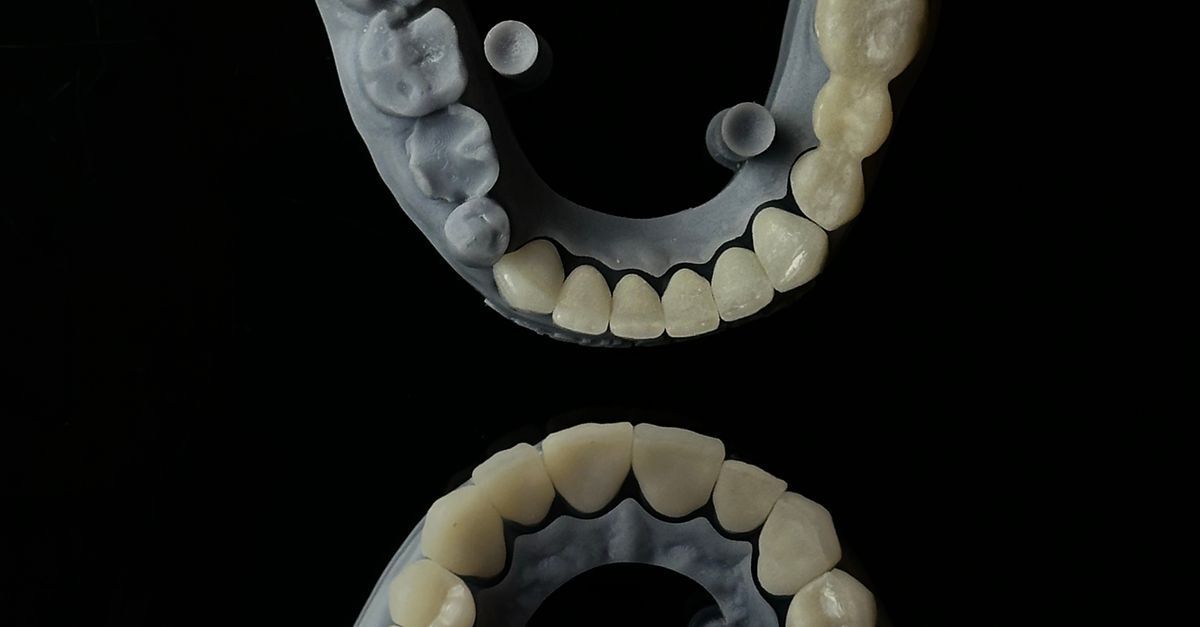
When teeth alone cannot fix the bite
Braces and aligners move teeth within the jaws. If the upper and lower jaws themselves are significantly different in size or position, moving teeth may not be enough, or may only disguise the problem. In adults whose growth has finished, combined orthodontic and surgical treatment is often considered for:
- Severe underbites (Class III) or large overjets (Class II)
- Open bites where the front teeth do not meet
- Facial asymmetry and jaw deviation
- Large transverse (width) differences between the jaws
How the process works
1. Pre-surgical orthodontics. Teeth are aligned within each jaw so that, when the surgeon repositions the jaws, the teeth fit together. This phase can temporarily make the bite look worse, because tooth compensations are removed.
2. Surgery. An oral and maxillofacial surgeon repositions the upper jaw, lower jaw or both, usually in a hospital setting. Isu Yonsei Baro does not perform surgery; Dr. Lee coordinates the plan with your surgeon.
3. Post-surgical orthodontics. After healing, braces are used to settle and detail the bite, followed by retainers.
Some centers use a "surgery-first" sequence for selected cases. Whether that suits you is a joint decision between Dr. Lee and the surgeon.
Dr. Lee's research on surgical stability
Dr. Lee is an author of "Relationship between Preoperative Maxillomandibular Transverse Discrepancy and Post-Surgical Stability in Class II Malocclusion" (Applied Sciences, 2024), which examined how width differences between the jaws before surgery relate to stability afterward. She also received Excellent Poster awards at Korean Association of Orthodontists meetings for work on surgical orthodontic stability and facial asymmetry in Class III cases. She completed her orthodontic residency at Severance Hospital in Sinchon.
What to expect at Isu Yonsei Baro
The first visit (about 60 minutes) includes an intraoral digital scan, a RAY Quantum 5D CT and a RAY Face 3D facial scan. Dr. Lee explains in English whether your problem is skeletal, whether orthodontics alone could be an option, and what a surgical pathway would involve, with a written estimate for the orthodontic portion.
In Dr. Lee's practice, the width relationship between the jaws is checked carefully on the CT before surgery, because her research examined how transverse discrepancies relate to post-surgical stability. She then works with the surgeon so both sides plan toward the same final bite.
Practical notes for international patients
- Surgical costs are billed separately by the surgical provider; ask both for written estimates
- Some surgical cases may qualify for limited Korean National Health Insurance coverage; eligibility depends on the case and your enrollment
- English records and letters are available for overseas insurers
- Plan time off work around surgery and early recovery with your surgeon
Individual results and side effects vary; treatment is decided after examination.
At a glance
- Orthodontic phases before and after jaw surgery; surgery is done by an oral and maxillofacial surgeon
- Common for severe underbites, open bites, asymmetry and large jaw-size mismatches
- Typical total orthodontic time: often about 18–30 months (not promised)
- Dr. Lee has published on post-surgical stability in Class II cases (Applied Sciences, 2024)
- Planning with 3D CT and 3D face scan; explanations in English
Your orthodontist
Dr. Sally Chaekyung Lee, DDS, PhD
- MOHW-certified orthodontic specialist
- PhD in Orthodontics, Yonsei University; Severance Hospital residency
- Member, Edward H. Angle Society of Orthodontists
- 2026 AJO-DO peer reviewer
- Consults in fluent English and treats you herself, start to finish
Isu Station Exit 2 · 1-minute walk
Mon & Thu until 9 PM · Sat 9 AM–2 PM
+82 2-592-2080
Frequently asked questions
Does Isu Yonsei Baro perform jaw surgery?
No. The clinic provides the orthodontic treatment before and after surgery and plans the bite. The surgery itself is performed by an oral and maxillofacial surgeon, typically in a hospital. Dr. Lee coordinates with your surgeon so that the orthodontic and surgical plans aim for the same final result.
How do I know if I need jaw surgery or just braces?
It depends on how much of the problem comes from the jaws rather than the teeth, your age and your facial goals. Mild skeletal problems can sometimes be camouflaged with orthodontics alone. Dr. Lee assesses this with a 3D CT and facial scan and explains both pathways and their trade-offs.
How long does surgical orthodontic treatment take?
Pre-surgical orthodontics often takes around 6 to 18 months, followed by surgery and several months of post-surgical finishing. Total orthodontic time is commonly about 18 to 30 months, though it varies widely. Dr. Lee gives you an estimated sequence after examining your records and discussing the plan with the surgeon.
Is jaw surgery covered by Korean insurance?
Some orthognathic surgery cases may be partly covered by Korean National Health Insurance when specific criteria are met, and enrollment rules apply to foreign residents. Coverage is decided case by case. Ask both the surgical provider and the clinic for written estimates, and check with your own insurer for overseas plans.
Related reading
This page is general information, not a diagnosis. Individual results and side effects vary; treatment is decided after an in-person examination. See our editorial and medical review policy .
Talk to Dr. Lee in English
Send your concern and preferred dates. You'll get an examination, your options, a timeline and a written estimate before you decide anything.