
Mouth Breathing in Children and Orthodontic Growth in Seoul
Quick answer
Children who habitually breathe through the mouth often have a lower tongue posture, which is associated with a narrower upper jaw, crossbites, open bites and a longer face pattern. The breathing cause, such as enlarged adenoids or allergies, should be assessed by an ENT or pediatrician. At Isu Yonsei Baro Orthodontics, Dr. Sally Chaekyung Lee evaluates the dental and jaw growth effects.
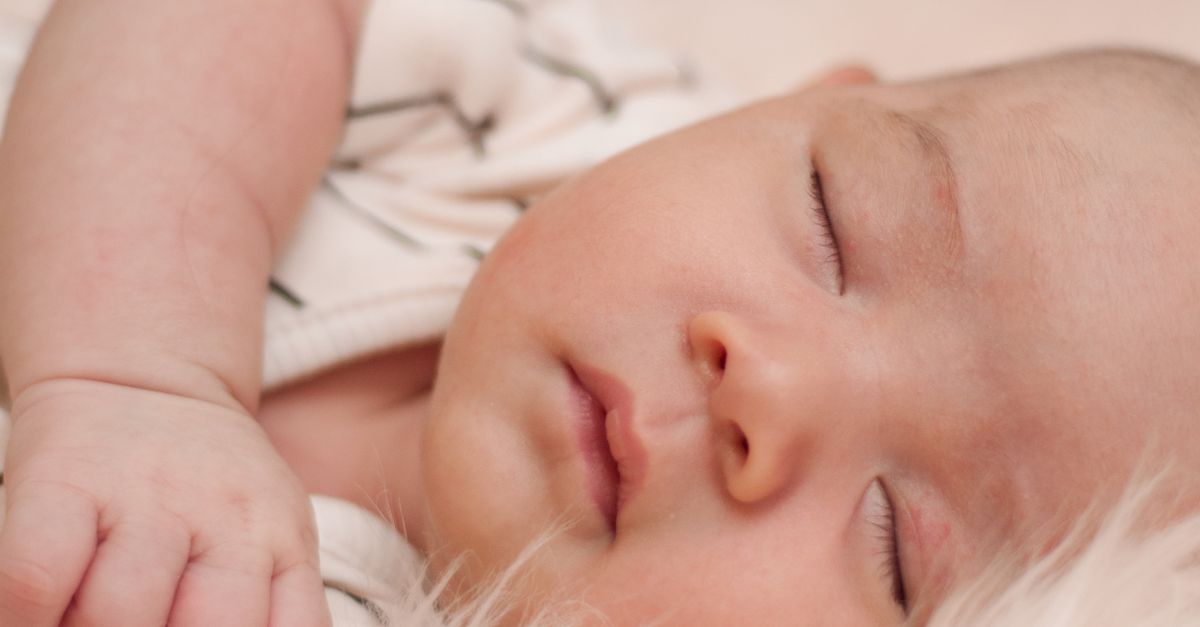
What mouth breathing is
Nasal breathing is the body's default at rest. Children who breathe mainly through the mouth, during the day, at night or both, may have their lips apart at rest, snore, wake with a dry mouth or seem tired. Occasional mouth breathing with a cold is normal; persistent mouth breathing is worth checking.
Common causes
- Enlarged adenoids or tonsils narrowing the airway
- Allergic rhinitis or chronic nasal congestion
- A deviated septum or other nasal structure issues
- Habit that remains after an obstruction has resolved
Why it matters for teeth and jaws
When the mouth is open, the tongue tends to rest low instead of against the palate. Research has associated long-term mouth breathing with a narrower upper jaw, posterior crossbite, open bite, crowding and a more vertical facial growth pattern, although not every child is affected and the relationship is complex. Mouth breathing and snoring can also be signs of sleep-disordered breathing, which is a medical matter for a physician to evaluate.
How it is assessed
The orthodontic exam looks at lip seal, tongue posture, palate width, bite and facial proportions. Intraoral digital scans measure arch width without impression trays, which younger children often find easier. A RAY Quantum 5D CT (CBCT) scan may be used when clinically justified to evaluate jaw width and tooth development, and can show the general airway region, though it is not a diagnostic test for sleep apnea. A growth-plate and skeletal maturity analysis helps time treatment. The clinic also has a pediatric dentistry specialist, Dr. Hoseon Lee, who can support general dental care for children.
Treatment options
- Medical referral first: if obstruction, allergies or sleep problems are suspected, referral to an ENT physician, allergist or pediatrician is recommended.
- Palatal expansion: for a narrow upper jaw or crossbite, expansion as part of early orthodontics can widen the arch while the child is growing. Any effect on breathing varies and is not the primary goal.
- Habit and myofunctional guidance: exercises for lip seal and tongue posture may support other treatment.
- Later comprehensive treatment: teen orthodontics addresses remaining alignment and bite issues.
Typical timeline
Early (phase 1) treatment commonly lasts around 6–18 months, followed by monitoring of growth and erupting teeth. Some children later need a second phase. Individual results and side effects vary; treatment is decided after examination.
What to expect at Isu Yonsei Baro
The first visit takes about 60 minutes and includes scans, X-rays or CT when appropriate, and photos. Dr. Lee explains in English what she sees in your child's jaw development and whether treatment now, later or simply monitoring makes sense. In Dr. Lee's practice, parents of mouth-breathing children are encouraged to have the airway cause checked by a physician alongside orthodontic care, because the two are closely connected. Monday and Thursday evening hours can help with school schedules.
At a glance
- Common signs: lips apart at rest, snoring, dry lips, dark circles, restless sleep
- Frequent causes: enlarged adenoids or tonsils, nasal allergies, habit
- Breathing causes are diagnosed and treated by ENT physicians or pediatricians
- Orthodontic role: assess jaw width and growth, and guide development where helpful
- An orthodontic check around age 7 is commonly recommended
Your orthodontist
Dr. Sally Chaekyung Lee, DDS, PhD
- MOHW-certified orthodontic specialist
- PhD in Orthodontics, Yonsei University; Severance Hospital residency
- Member, Edward H. Angle Society of Orthodontists
- 2026 AJO-DO peer reviewer
- Consults in fluent English and treats you herself, start to finish
Isu Station Exit 2 · 1-minute walk
Mon & Thu until 9 PM · Sat 9 AM–2 PM
+82 2-592-2080
Frequently asked questions
Can orthodontics stop my child from mouth breathing?
Orthodontics does not treat the cause of mouth breathing, such as enlarged adenoids or allergies. Palatal expansion may widen the upper jaw, and some studies report changes in nasal airflow, but results vary and are not predictable. Medical evaluation by an ENT or pediatrician is the first step for breathing concerns.
At what age should a mouth-breathing child see an orthodontist?
An orthodontic evaluation around age 7 is commonly recommended, or earlier if you notice a crossbite, open bite or narrow upper jaw. This allows growth-related issues to be identified while the palate is still responsive to expansion. Not every child needs treatment at that age.
Does mouth breathing change a child's face shape?
Long-term mouth breathing has been associated with a longer lower face, narrower upper jaw and a more open lip posture, though research findings vary and genetics also play a large role. Addressing the breathing cause and monitoring jaw growth early can help, but outcomes differ between children.
Is snoring in children a reason to see a doctor?
Regular snoring, pauses in breathing, restless sleep or daytime tiredness can be signs of sleep-disordered breathing and should be discussed with a pediatrician or ENT physician. An orthodontist may notice related signs during an exam and recommend referral, but does not diagnose sleep apnea.
Related reading
This page is general information, not a diagnosis. Individual results and side effects vary; treatment is decided after an in-person examination. See our editorial and medical review policy .
Talk to Dr. Lee in English
Send your concern and preferred dates. You'll get an examination, your options, a timeline and a written estimate before you decide anything.