
Metal Braces in Seoul for Adults, Teens and Kids
Quick answer
Metal braces are fixed stainless-steel brackets and wires that move teeth continuously, without relying on daily wear like aligners do. At Isu Yonsei Baro Orthodontics, Dr. Sally Lee uses them for everything from teen crowding to impacted canines and complex bites. Comprehensive cases typically take about 18–30 months, with adjustments every four to eight weeks.
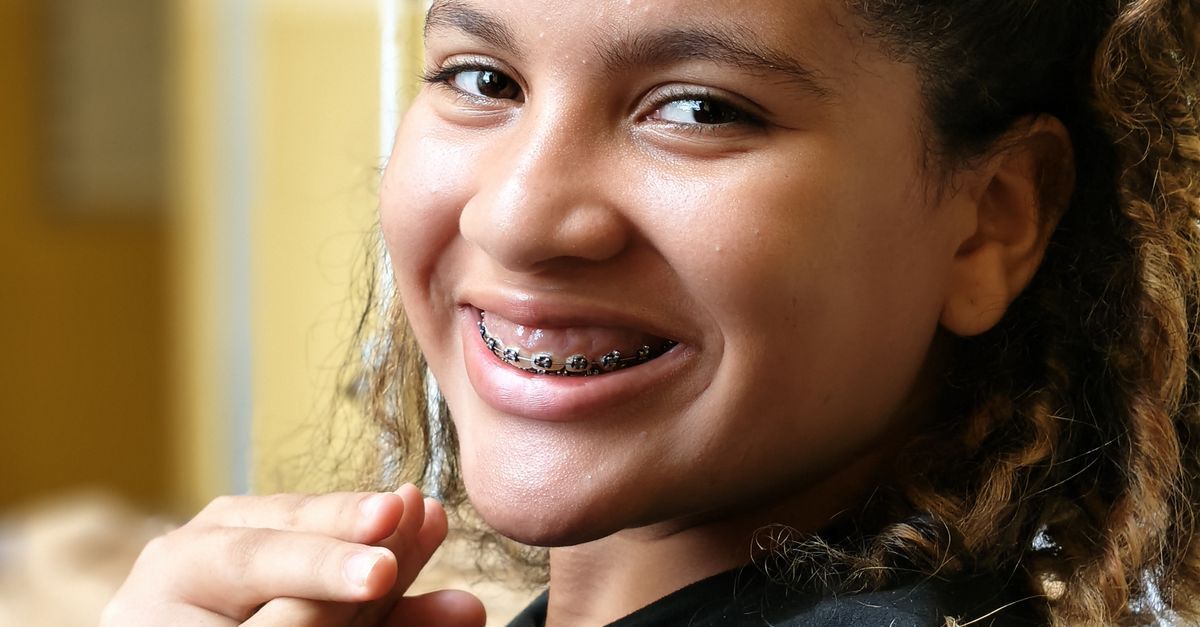
Why metal braces are still widely used
Metal braces give the orthodontist precise, continuous control of every tooth in three dimensions. They do not depend on a patient remembering to wear trays, and they handle movements such as pulling up an impacted canine, correcting large rotations or closing extraction spaces very reliably.
Modern brackets are smaller and smoother than many people remember, and the wires used today deliver lighter, more consistent forces than older systems.
Who metal braces suit
- Teens and children in active growth, especially when compliance is a concern
- Impacted, displaced or high canines
- Severe crowding, rotations or deep bites
- Cases combined with temporary anchorage devices (mini-screws)
- Patients who prefer a lower-maintenance, fixed option
Real examples from the clinic
Consented cases published by the clinic include a teen with a deep bite and a displaced canine treated with braces without extractions over 18 months, and a teen whose upper canines had both erupted high, also treated non-extraction with braces in 19 months. These illustrate what braces can do; every case is different.
What to expect at Isu Yonsei Baro
Your first visit takes about 60 minutes and includes an intraoral digital scan, X-rays or a 3D CBCT on the RAY Quantum 5D CT, and photos. For younger patients, a growth-plate and skeletal maturity analysis helps estimate how much jaw growth remains. Dr. Lee then explains her findings, options and a written estimate in English.
Bonding day takes roughly an hour. You will leave with care instructions, wax and a clear picture of what to eat and avoid. In Dr. Lee's practice, bracket positions are planned from the 3D records rather than placed by eye alone, because small differences in position change how roots move over the following months.
Dr. Lee sees you at every adjustment herself; there is no hand-off to another doctor. Monday and Thursday evening hours and Saturday mornings make school and work schedules easier.
Living with braces
- Expect soreness for a few days after bonding and adjustments
- Avoid hard and sticky foods that can loosen brackets
- Use an interdental brush or water flosser around brackets
- If a bracket loosens while traveling, keep it and contact the clinic
- Wear a mouthguard for contact sports
The clinic's NovaCare device, designed to reduce orthodontic discomfort, is available for patients who find the first days after an adjustment difficult. How much soreness people feel varies widely, and most patients find it settles within a few days.
Costs
Fees depend on complexity, appliance and duration, and are given in writing after your exam. Orthodontics is generally not covered by Korean National Health Insurance except in limited cases; English receipts and doctor's letters are available for overseas insurance claims.
Individual results and side effects vary; treatment is decided after examination.
At a glance
- Typical duration: about 18–30 months for comprehensive cases (not promised)
- Adjustment visits usually every 4–8 weeks
- Works full-time with no wear-time compliance needed
- Well suited to impacted or high canines and severe rotations
- Treated personally by Dr. Sally Lee from start to finish, in English
Your orthodontist
Dr. Sally Chaekyung Lee, DDS, PhD
- MOHW-certified orthodontic specialist
- PhD in Orthodontics, Yonsei University; Severance Hospital residency
- Member, Edward H. Angle Society of Orthodontists
- 2026 AJO-DO peer reviewer
- Consults in fluent English and treats you herself, start to finish
Isu Station Exit 2 · 1-minute walk
Mon & Thu until 9 PM · Sat 9 AM–2 PM
+82 2-592-2080
Frequently asked questions
Are metal braces faster than Invisalign?
Not necessarily. Speed depends mostly on the type of movement needed and the biology of your teeth and bone. Braces work continuously, which can help in complex cases or where compliance is uncertain. Dr. Lee will compare likely timelines for braces and aligners for your specific case at your consultation.
How often are braces adjusted?
Most patients are seen every four to eight weeks. Visits are usually short, typically 20 to 40 minutes, and involve changing wires, checking progress and adjusting elastics. The clinic's evening and Saturday hours are designed to help students and working adults keep regular appointments.
What happens if a bracket breaks while I am abroad?
A loose bracket is usually not an emergency. Keep it, cover any sharp edges with orthodontic wax and contact the clinic by phone, WhatsApp or KakaoTalk. We can advise you and, if needed, prepare English records so a local orthodontist can help until you return.
Are braces good for kids and teens?
Braces are often a good fit for children and teens because they work full-time without depending on daily aligner wear. For growing patients, Dr. Lee also uses skeletal maturity analysis to time treatment so that growth can be used where appropriate. Pediatric specialist Dr. Hoseon Lee also practices at the clinic.
Related reading
This page is general information, not a diagnosis. Individual results and side effects vary; treatment is decided after an in-person examination. See our editorial and medical review policy .
Talk to Dr. Lee in English
Send your concern and preferred dates. You'll get an examination, your options, a timeline and a written estimate before you decide anything.