
Non-Extraction Orthodontics in Seoul
Quick answer
Non-extraction orthodontics creates room for crowded teeth without removing healthy teeth, using techniques such as molar distalization with mini-screws, arch development and enamel reshaping. Dr. Sally Lee of Isu Yonsei Baro Orthodontics has published research on TSAD-based distalization systems in Seminars in Orthodontics, and decides between extraction and non-extraction plans after 3D CT assessment.
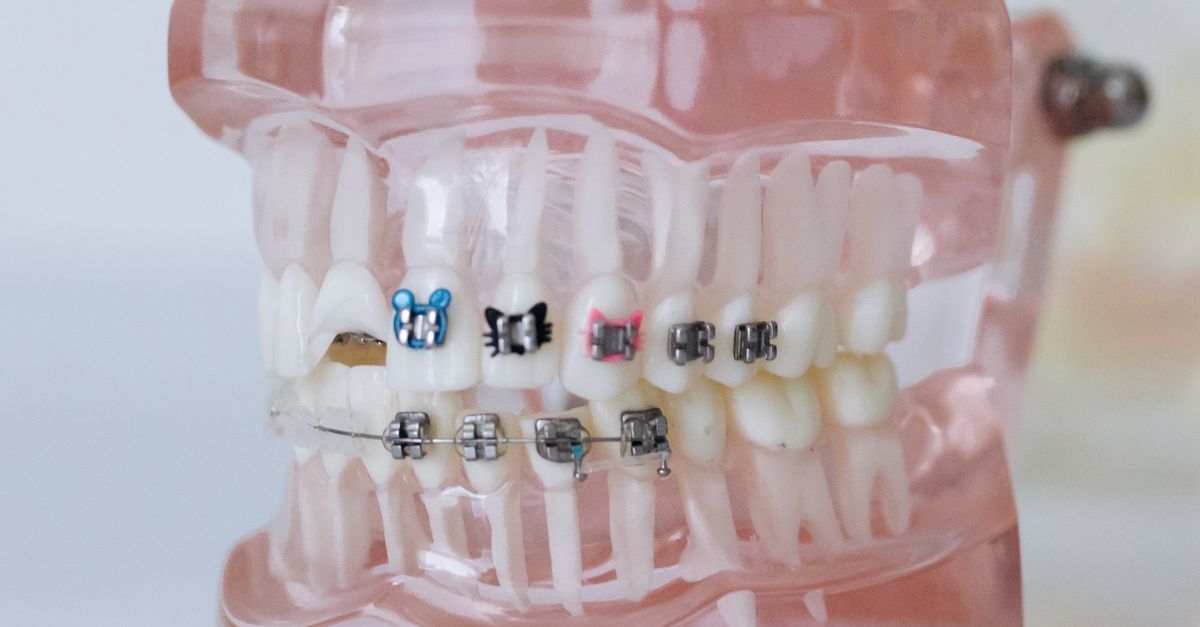
Why extraction is not automatic
When teeth are crowded or protruding, they need space to line up. Historically, removing premolars was a common way to create it. Today, orthodontists have more ways to gain space, and many patients can be treated without extractions. Some still benefit from extractions, especially when the lips and teeth are markedly protrusive. The right choice depends on the face, the bone and the amount of space needed.
How space can be created without extractions
- Molar distalization: moving the back teeth backward to make room at the front. Temporary anchorage devices (TSADs, small mini-screws) can make this more predictable.
- Arch development: carefully widening a narrow arch where the bone allows.
- Interproximal reduction: polishing a fraction of a millimeter of enamel between teeth.
- Uprighting and derotation: rotated teeth take up more space than aligned ones.
Dr. Lee's research on distalization
Dr. Lee is an author of "New TSAD-based systems expanding the scope of distalization," published in Seminars in Orthodontics, which discusses how mini-screw-supported systems can widen the range of cases treatable by moving molars backward instead of extracting teeth. That research background informs how she evaluates borderline cases.
Real examples from the clinic
Consented cases published by the clinic include an adult with crowding treated with Invisalign non-extraction over 20 months, and two teens, one with a deep bite and displaced canine and one with high upper canines, treated with braces non-extraction in 18 and 19 months. These show what is possible, not what every patient should expect.
What to expect at Isu Yonsei Baro
At the first visit (about 60 minutes), we take an intraoral digital scan, a RAY Quantum 5D CT, and a RAY Face 3D facial scan. The CT shows how much bone is available behind the molars and around the roots; the face scan shows lip support and profile. Dr. Lee then explains in English whether a non-extraction plan is realistic for you, the trade-offs, a timeline and a written estimate.
In Dr. Lee's practice, the extraction decision is made on the face and the bone, not on a preference: distalizing molars only works if there is room behind them, and avoiding extractions should not come at the cost of pushing teeth and lips too far forward. If extraction would give a more stable or balanced result, she says so.
Mini-screws in brief
TSADs are small temporary screws placed in the bone under local anesthetic, used as fixed anchor points and removed when no longer needed. Most patients describe placement as quicker and easier than expected, though experiences vary. They do require good cleaning around the head of the screw, and occasionally one loosens and needs to be repositioned. Dr. Lee explains where each screw will go and why before placement, so you know what to expect.
Individual results and side effects vary; treatment is decided after examination.
At a glance
- Creates space without removing healthy teeth, where appropriate
- Techniques: molar distalization, mini-screws (TSADs), arch development, enamel reshaping
- Dr. Lee has published on TSAD-based distalization (Seminars in Orthodontics)
- Works with braces or clear aligners
- Not suitable for every case; decided after 3D CT and facial analysis
Your orthodontist
Dr. Sally Chaekyung Lee, DDS, PhD
- MOHW-certified orthodontic specialist
- PhD in Orthodontics, Yonsei University; Severance Hospital residency
- Member, Edward H. Angle Society of Orthodontists
- 2026 AJO-DO peer reviewer
- Consults in fluent English and treats you herself, start to finish
Isu Station Exit 2 · 1-minute walk
Mon & Thu until 9 PM · Sat 9 AM–2 PM
+82 2-592-2080
Frequently asked questions
Can braces be done without pulling teeth?
Often yes. Many crowding cases can be treated by moving molars backward, developing the arch or reshaping a little enamel. Some cases, particularly with severe crowding or marked lip protrusion, may still have a better result with extractions. Dr. Lee explains which applies to you after reviewing your 3D CT and facial scan.
What is molar distalization?
Molar distalization moves the back teeth backward to create space for the front teeth to align. Mini-screws (TSADs) can anchor this movement so the front teeth are not pushed forward at the same time. Dr. Lee has published research on TSAD-based distalization systems in Seminars in Orthodontics.
Do mini-screws hurt?
Mini-screws are placed under local anesthetic, and most patients feel pressure rather than sharp pain during placement. Mild soreness for a day or two afterward is common. They are removed easily when treatment no longer needs them. Individual experiences vary, and Dr. Lee explains the procedure in detail beforehand.
Is non-extraction treatment more stable?
Stability depends on whether teeth end up in a position that fits the bone, lips and bite, not on whether extractions were done. Pushing teeth too far forward to avoid extractions can be less stable. Dr. Lee plans with CT and face scans so the final position is realistic, and retainers are always part of the plan.
Related reading
This page is general information, not a diagnosis. Individual results and side effects vary; treatment is decided after an in-person examination. See our editorial and medical review policy .
Talk to Dr. Lee in English
Send your concern and preferred dates. You'll get an examination, your options, a timeline and a written estimate before you decide anything.