
Do I Need Tooth Extractions for Braces?
Short answer
Not necessarily. Many orthodontic cases are treated without extractions, using expansion, small enamel reshaping or molar distalization with temporary anchorage devices. Extractions may still be the right choice for severe crowding or protrusion. At Isu Yonsei Baro Orthodontics, Dr. Sally Lee, who has published research on non-extraction distalization, decides after 3D imaging and a full exam.
Why extractions are sometimes recommended
Teeth need room to line up. When there is significant crowding, or when front teeth and lips are pushed forward, removing some teeth (often premolars) can create space and allow the front teeth to move back. In those situations, extractions can be the most stable and balanced choice.
Ways to create space without extractions
- Molar distalization. Back teeth are moved backward to make room in front. Temporary anchorage devices (TADs), small mini-screws placed temporarily in the bone, can help make this more controlled.
- Arch expansion. In suitable cases, especially growing patients, the dental arch can be widened.
- Interproximal reduction. Small amounts of enamel are polished between teeth to create space.
- Growth guidance. In children, growth can sometimes be used to improve space and jaw relationships.
How the decision is made
Extraction versus non-extraction is not a matter of preference alone. An orthodontist considers:
- How much crowding there is
- Lip position and facial profile
- Root position and the thickness of surrounding bone
- Bite relationships and jaw structure
- Gum health and long-term stability
Avoiding extractions when space is truly lacking can push teeth too far forward or outside the bone. Removing teeth when it is not needed can flatten a profile. A careful diagnosis aims for the right balance.
What to expect at Isu Yonsei Baro
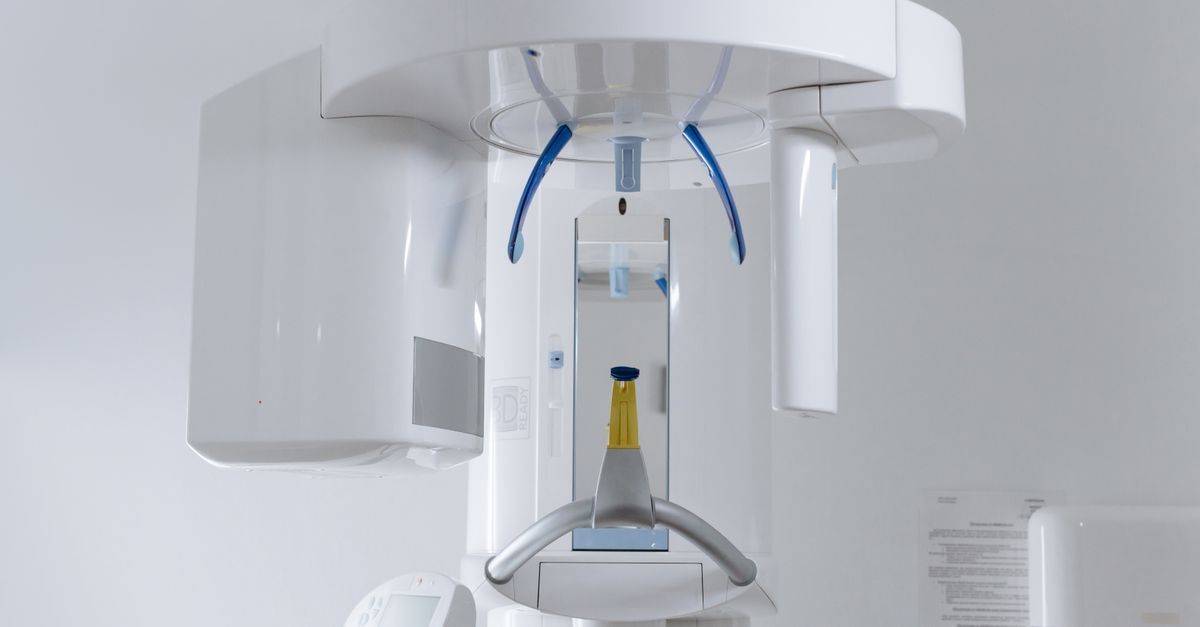
Your first visit takes about 60 minutes. We take intraoral digital scans, a 3D CBCT scan with the RAY Quantum 5D CT, a 3D facial scan with RAY Face and photos. Dr. Sally Chaekyung Lee, a Ministry of Health and Welfare certified orthodontic specialist, examines teeth, roots, bone, skeleton and whole-face balance.
Dr. Lee has co-authored a peer-reviewed paper in Seminars in Orthodontics on TSAD-based systems that expand the scope of non-extraction molar distalization. In Dr. Lee's practice, non-extraction treatment is considered whenever the roots, bone and facial profile allow it, and extractions are recommended only when they serve the result better. You receive options, a timeline and a written estimate in English.
Consented examples on our site include an adult crowding case treated with Invisalign without extractions in 20 months, and teen cases with a deep bite or high canines treated with braces without extractions in 18 to 19 months.
Individual results and side effects vary; treatment is decided after examination.
Key points
- Extraction decisions depend on crowding, protrusion, bite and facial profile
- Non-extraction options include distalization, expansion and enamel reshaping
- 3D CBCT shows roots and bone to guide the decision
- Dr. Lee has published on non-extraction molar distalization with TADs
- Published cases include non-extraction treatment in teens and adults
Answered by
Dr. Sally Chaekyung Lee, DDS, PhD
- MOHW-certified orthodontic specialist
- PhD in Orthodontics, Yonsei University; Severance Hospital residency
- Member, Edward H. Angle Society of Orthodontists
- 2026 AJO-DO peer reviewer
- Consults in fluent English and treats you herself, start to finish
People also ask
Can Invisalign avoid extractions?
Sometimes. Aligners can be combined with distalization, expansion or enamel reshaping to create space. Whether that is enough depends on how much crowding and protrusion you have. Dr. Lee assesses this with 3D imaging before recommending a plan.
What are TADs?
Temporary anchorage devices are small mini-screws placed temporarily in the jawbone to provide a stable anchor for moving teeth. They can help with movements such as molar distalization and are removed when no longer needed. They are used only when a plan calls for them.
Will extractions change my face?
Extractions can affect lip position and profile, which can be beneficial in protrusive cases or undesirable in others. That is why facial balance is part of the diagnosis. Dr. Lee uses a 3D facial scan to evaluate how treatment may affect your profile.
I was told I need extractions. Can I get a second opinion?
Yes. A second opinion is reasonable for any major decision. Isu Yonsei Baro offers second opinion consultations, where Dr. Lee reviews your records, examines you and explains whether a non-extraction approach is realistic for your case.
Related reading
This page is general information, not a diagnosis. Individual results and side effects vary; treatment is decided after an in-person examination. See our editorial and medical review policy .
Have a question about your own teeth?
Send a message with photos or previous records. Dr. Lee will tell you what an examination would look at, in English.