
Rotated Teeth Correction in Seoul
Quick answer
A rotated tooth is turned on its long axis so its edge faces the wrong way, a common feature of crowding. Rotations can be corrected with braces or clear aligners, though round teeth such as premolars and canines can be harder to turn. At Isu Yonsei Baro Orthodontics, Dr. Sally Chaekyung Lee plans rotation correction and long-term retention together.
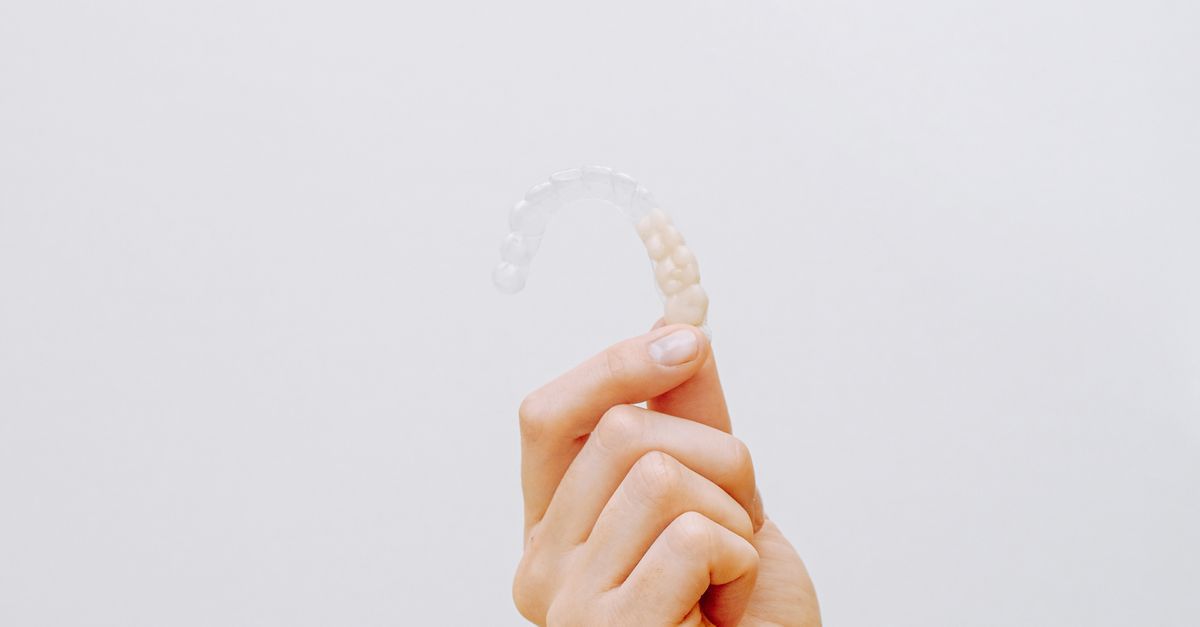
What rotated teeth are
A rotation means a tooth has turned around its own long axis, like a door partly opened on its hinge. A rotated incisor may look like its edge is angled, while a rotated premolar may show its side to the cheek. Rotations of a few degrees are common; larger ones of 20 degrees or more are clearly visible and often coexist with crowding.
Common causes
- Lack of space during eruption, forcing the tooth to twist
- Early loss of baby teeth, letting neighbors drift and rotate
- An abnormal tooth germ position or inherited tendency
- Relapse after earlier orthodontic treatment, as gum fibers pull rotated teeth back
Why it matters
Rotated teeth can trap plaque and make flossing harder. They can also take up more or less space than they should, affecting the alignment of neighboring teeth and the bite. A rotated canine or premolar may not contact opposing teeth properly. For many people, a single twisted front tooth is the main thing they notice in their smile.
How rotations are assessed
Intraoral digital scans allow rotations to be measured precisely in 3D. A RAY Quantum 5D CT (CBCT) scan shows the root shape and position, which helps predict how easily a tooth will turn and whether there is enough bone. Photos and the RAY Face 3D facial scan show how the rotation affects the smile. Space shortage is calculated so the tooth has room to turn.
Treatment options
- Clear aligners: Invisalign and Angel Aligner correct many rotations with attachments, though very round teeth may need extra steps or refinements.
- Braces: metal, ceramic or lingual braces can grip teeth from multiple points, often giving efficient control for large rotations.
- Limited treatment: for a single front tooth, limited front-teeth orthodontics may be considered if the bite is otherwise healthy.
- Retention: a bonded retainer is often recommended after correcting significant rotations; see retainers and retention.
Typical timeline
Mild rotations may be corrected within roughly 6–12 months, while severe rotations or those within comprehensive treatment commonly take 12–24 months. Teeth are often slightly overcorrected to allow for rebound. Individual results and side effects vary; treatment is decided after examination.
What to expect at Isu Yonsei Baro
Your first visit takes about 60 minutes with scans, X-rays or CT and photos. Dr. Lee explains in English how much each tooth is rotated, how space will be created and which appliance is likely to turn it most predictably. In Dr. Lee's practice, a retention plan is set before rotations are corrected, because rotated teeth have a well-known tendency to rotate back once appliances are removed. You receive a written estimate before you decide. Digital scans replace impression trays, and Dr. Lee personally manages your treatment from consultation to retention, with all explanations in English.
At a glance
- Clinical term: tooth rotation, often measured in degrees
- Most common in crowded arches, especially lower incisors and upper lateral incisors
- Rotated teeth are among the most relapse-prone movements, so retention is key
- Braces and aligners can both correct rotations; severe ones may favor braces
- Typical treatment: roughly 6–24 months depending on severity (not a promise)
Your orthodontist
Dr. Sally Chaekyung Lee, DDS, PhD
- MOHW-certified orthodontic specialist
- PhD in Orthodontics, Yonsei University; Severance Hospital residency
- Member, Edward H. Angle Society of Orthodontists
- 2026 AJO-DO peer reviewer
- Consults in fluent English and treats you herself, start to finish
Isu Station Exit 2 · 1-minute walk
Mon & Thu until 9 PM · Sat 9 AM–2 PM
+82 2-592-2080
Frequently asked questions
Can Invisalign fix rotated teeth?
Yes, clear aligners can correct many rotations, particularly of incisors, using attachments to grip the tooth. Round teeth such as canines and premolars, and rotations over about 20 degrees, can be slower and may need refinement aligners or a short phase with braces. Dr. Lee will advise based on your scans.
Why do rotated teeth turn back after treatment?
The elastic gum fibers around a tooth stretch during rotation and take a long time to remodel, so they tend to pull the tooth back. This is why rotated teeth are among the most relapse-prone corrections. Long-term retainers, sometimes bonded, and slight overcorrection help reduce relapse.
Can one twisted front tooth be fixed quickly?
If only one front tooth is rotated and space is available, limited treatment may take several months. If there is crowding or a bite problem, a more comprehensive plan may be recommended. Timelines vary by individual, and a digital scan helps estimate the time needed.
Is a bonded retainer necessary after correcting rotations?
It is not always necessary, but it is commonly recommended for significantly rotated front teeth because of their high relapse risk. A removable retainer worn as instructed is another option. Your orthodontist will suggest a retention plan that suits your teeth and lifestyle.
Related reading
This page is general information, not a diagnosis. Individual results and side effects vary; treatment is decided after an in-person examination. See our editorial and medical review policy .
Talk to Dr. Lee in English
Send your concern and preferred dates. You'll get an examination, your options, a timeline and a written estimate before you decide anything.