
Invisalign vs Braces: Which Is Better for Me?
Short answer
Neither Invisalign nor braces is better for everyone. Invisalign is removable and nearly invisible but relies on wearing aligners about 20–22 hours a day; braces are fixed and can be more predictable for some complex movements. At Isu Yonsei Baro Orthodontics, Dr. Sally Lee recommends an option after examining your bite, roots and jaw.
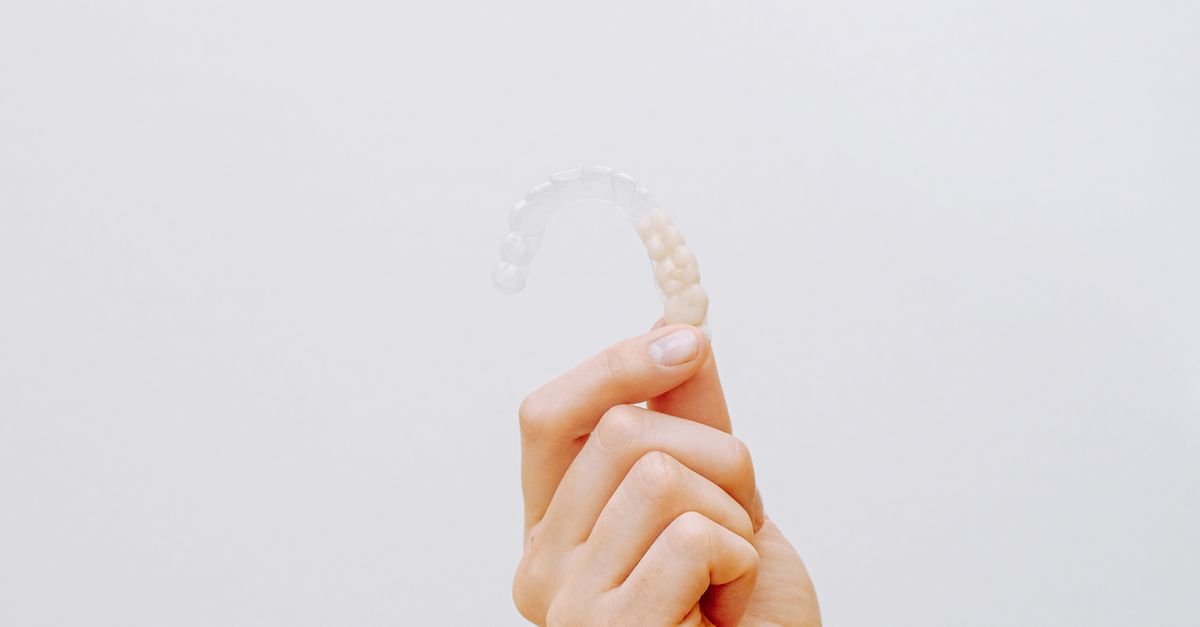
The real question: which suits your case and lifestyle?
Both clear aligners and braces move teeth effectively when they are well planned and supervised. The best choice depends on the tooth movements you need, how disciplined you can be with wear time and what matters to you day to day.
Side-by-side comparison
| Invisalign (clear aligners) | Braces | |
|---|---|---|
| Visibility | Nearly invisible | Metal is visible; ceramic is subtle; lingual is hidden |
| Removable | Yes, for eating and brushing | No |
| Wear compliance | Roughly 20–22 hours a day needed | Works continuously |
| Eating | Remove aligners; few food limits | Avoid hard and sticky foods |
| Hygiene | Easy brushing and flossing | Needs extra cleaning around brackets |
| Emergencies | Lost or cracked aligners | Loose brackets or poking wires |
When aligners often work well
- Mild to moderate crowding or spacing
- Many adult cases where discretion matters
- Patients who can reliably wear aligners most of the day
- Relapse after earlier braces
When braces may be preferred
- Some complex rotations or root movements
- Certain severe bite or jaw discrepancies, including surgical cases
- Patients who would struggle with aligner wear time
- Some younger teens, depending on cooperation
These are general tendencies. Modern aligner techniques, attachments and temporary anchorage devices have expanded what aligners can do, and the decision is always individual.
What to expect at Isu Yonsei Baro
Dr. Sally Chaekyung Lee is an orthodontic specialist certified by Korea's Ministry of Health and Welfare, Invisalign certified, a 2026 Invisalign Purple Diamond provider and a member of the Korean Lingual Orthodontic Association. Because she offers Invisalign, Angel Aligner, and metal, ceramic and lingual braces, the recommendation can follow your case rather than a single system.
Your 60-minute first visit includes digital scans, X-rays or 3D CBCT, a 3D facial scan and photos. In Dr. Lee's practice, patients who are undecided often receive a side-by-side explanation of how each option would treat their case, with timelines and a written estimate in English.
Consented examples on our site include an adult crowding case treated with Invisalign in 20 months, and teen cases treated with braces in 18 to 19 months, all without extractions.
Individual results and side effects vary; treatment is decided after examination.
Key points
- Both can treat many common problems in teens and adults
- Aligners are removable; braces work full-time without relying on wear
- Ceramic and lingual braces offer discreet fixed options
- Both typically take roughly 12–30 months for comprehensive cases
- Dr. Lee offers aligners and all three brace types
Answered by
Dr. Sally Chaekyung Lee, DDS, PhD
- MOHW-certified orthodontic specialist
- PhD in Orthodontics, Yonsei University; Severance Hospital residency
- Member, Edward H. Angle Society of Orthodontists
- 2026 AJO-DO peer reviewer
- Consults in fluent English and treats you herself, start to finish
People also ask
Is Invisalign as effective as braces?
For many cases, well-planned aligner treatment can achieve results comparable to braces. For some complex movements, braces may be more predictable. Effectiveness also depends on wearing aligners as directed. Dr. Lee explains which approach she would expect to work best for your case.
Which is more comfortable, Invisalign or braces?
Both can cause temporary soreness when teeth start moving. Aligners have no brackets or wires to rub the cheeks, while braces may irritate soft tissues at first. Most patients adapt within days. Comfort varies from person to person.
Can I switch from braces to Invisalign mid-treatment?
Sometimes, depending on the remaining movements. Some patients start with braces and finish with aligners, or the reverse. It is a clinical decision made after reviewing progress. Dr. Lee can discuss whether a switch would make sense for you.
Which is better for a busy professional?
Aligners suit many professionals because they are discreet and removable, but they require discipline. Lingual or ceramic braces are discreet fixed alternatives. Isu Yonsei Baro also offers evening hours on Monday and Thursday and Saturday mornings.
Related reading
This page is general information, not a diagnosis. Individual results and side effects vary; treatment is decided after an in-person examination. See our editorial and medical review policy .
Have a question about your own teeth?
Send a message with photos or previous records. Dr. Lee will tell you what an examination would look at, in English.