
Angel Aligner vs Invisalign: How Do They Compare?
Short answer
Angel Aligner and Invisalign are both clear aligner systems that move teeth with a series of custom removable trays. They differ in materials, software and regional availability, but for most patients the orthodontist's diagnosis and plan matter more than the brand. At Isu Yonsei Baro Orthodontics, Dr. Sally Lee offers both and explains which suits your case.
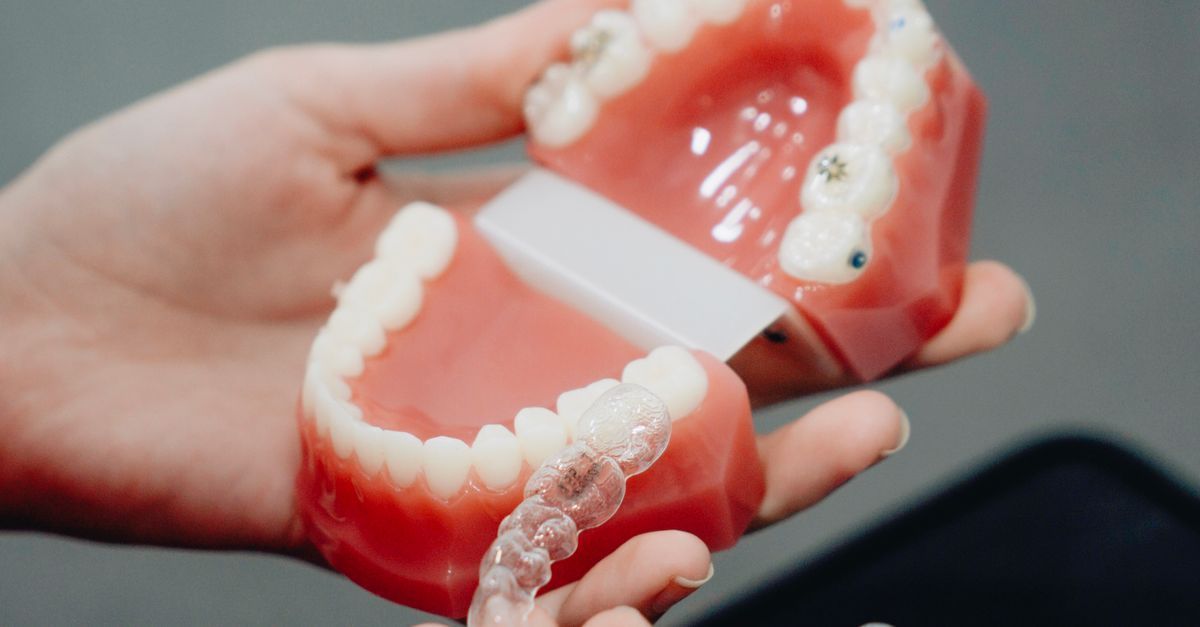
Same principle, different systems
All clear aligners work the same basic way. Your teeth are digitally scanned, an orthodontist designs a sequence of small tooth movements and a series of trays is manufactured to carry out that plan. Small tooth-colored attachments, elastics or temporary anchorage devices may be added to help specific movements.
Invisalign is one of the most established aligner systems worldwide. Angel Aligner is another clear aligner system that has become widely used in Asia and other regions. Both are tools in an orthodontist's hands.
How they can differ
- Materials. Each system uses its own aligner plastic, which may differ in feel, clarity and fit.
- Planning software. Each has its own digital planning platform that the orthodontist uses to design movements.
- Attachments and features. Available attachment designs and auxiliary features vary between systems.
- Availability abroad. If you may move, it is worth checking which system is commonly offered where you are going.
- Fee. Costs can differ, but the overall fee mainly depends on your case. A written estimate after an exam is the only reliable comparison.
What matters more than the brand
Aligners do not diagnose a bite or decide where teeth should go; an orthodontist does. The quality of the diagnosis, the treatment plan and the monitoring throughout treatment usually make a bigger difference than the brand on the box. Your own consistency with wear time matters just as much.
How to choose
- Ask which system your orthodontist recommends for your specific movements, and why.
- Consider where you will live during and after treatment.
- Compare written estimates if you are considering both.
- Choose a specialist who will supervise your case at every visit.
What to expect at Isu Yonsei Baro
Dr. Sally Chaekyung Lee is a Ministry of Health and Welfare certified orthodontic specialist, Invisalign certified, an Invisalign instructor for university hospitals and a 2026 Invisalign Purple Diamond provider. She also offers Angel Aligner, so the recommendation can be based on your case rather than a single system.
Your first visit takes about 60 minutes and includes an intraoral digital scan, X-rays or 3D CBCT, a 3D facial scan and photos. In Dr. Lee's practice, the plan is designed around teeth, roots, bite and whole-face balance first, and the aligner system is then chosen to suit that plan. You receive options, a timeline and a written estimate in English before deciding.
If you might relocate, mention it at the start; we can factor system availability into the decision and prepare complete English records when you leave.
Individual results and side effects vary; treatment is decided after examination.
Key points
- Both are clear, removable aligner systems
- Both require roughly 20–22 hours of daily wear
- Differences include materials, planning software and availability
- The orthodontist's diagnosis drives results more than the brand
- Dr. Lee offers both systems in Seoul
Answered by
Dr. Sally Chaekyung Lee, DDS, PhD
- MOHW-certified orthodontic specialist
- PhD in Orthodontics, Yonsei University; Severance Hospital residency
- Member, Edward H. Angle Society of Orthodontists
- 2026 AJO-DO peer reviewer
- Consults in fluent English and treats you herself, start to finish
People also ask
Is Angel Aligner as good as Invisalign?
Both are established clear aligner systems, and either can work well when the case is properly diagnosed and supervised. Suitability depends on the movements you need. Dr. Lee offers both and can explain which she would recommend for your teeth and why.
Can I switch from one aligner brand to another?
Switching mid-treatment is possible in some situations, usually with a new scan and plan. It is generally simpler to continue with one system. If you are relocating, discuss continuity with Dr. Lee and your future orthodontist.
Do both systems need attachments?
Many aligner cases, with either system, use small tooth-colored attachments bonded to some teeth to help the aligners grip and move them. Whether you need attachments, and how many, depends on your treatment plan.
Which aligner is better for traveling abroad later?
Consider which system orthodontists commonly use in your next destination, as this can make continuation easier. Dr. Lee can discuss this during your consultation and will prepare complete English records if you move.
Related reading
This page is general information, not a diagnosis. Individual results and side effects vary; treatment is decided after an in-person examination. See our editorial and medical review policy .
Have a question about your own teeth?
Send a message with photos or previous records. Dr. Lee will tell you what an examination would look at, in English.