
Teeth Shifting After Braces: Orthodontic Relapse Treatment in Seoul
Quick answer
Orthodontic relapse is when teeth move back toward their old positions after braces or aligners, most often because retainers were worn less over time. Mild relapse can often be corrected with a short course of aligners. At Isu Yonsei Baro Orthodontics, Dr. Sally Chaekyung Lee assesses what moved and why before recommending limited or comprehensive re-treatment.
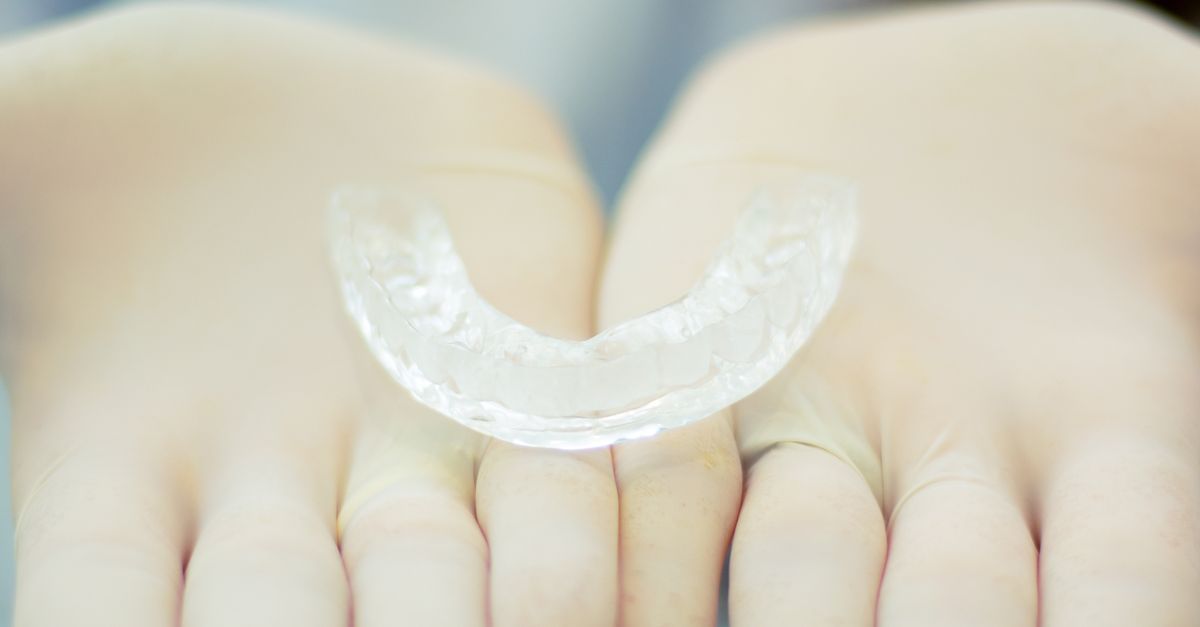
What orthodontic relapse is
After teeth are moved, the gum fibers and bone around them take time to adapt, and teeth remain prone to drifting for life. Relapse is the term for that movement back toward the original position. It ranges from a single lower incisor rotating slightly to a significant return of crowding, spacing or bite problems.
Common causes
- Retainers worn less often, lost or broken and not replaced, which is common after moving countries
- Natural age-related changes, especially forward drift and crowding of lower front teeth
- A bonded wire retainer that came loose on one tooth
- Tongue, lip or habit pressures that were not addressed
- Gum disease or tooth loss changing support
- Continued jaw growth in late teens, particularly in Class III patterns
Why it matters
Small shifts may be purely cosmetic, but relapse can also bring back cleaning difficulties, uneven bite contacts and tooth wear. Catching it early usually means a simpler fix. A detached bonded retainer can sometimes move a tooth unexpectedly, so it is worth checking promptly.
How relapse is assessed
Dr. Lee compares your current bite with your goals and, if available, with records from your earlier treatment. Intraoral digital scans capture today's tooth positions without impressions. A RAY Quantum 5D CT (CBCT) scan shows root positions and bone levels, which is important because previously treated teeth may have shorter roots or thinner bone. The RAY Face 3D facial scan helps confirm whether the original plan still suits your face.
Treatment options
- Limited re-treatment: limited front-teeth orthodontics with Invisalign or Angel Aligner for minor crowding or gaps.
- Comprehensive re-treatment: orthodontic re-treatment with braces or aligners when the bite has also changed.
- New retainers: if teeth have barely moved, a new retainer may hold them, sometimes after slight adjustment.
- Bonded retainer repair: re-bonding or replacing a loose wire.
Typical timeline
Minor relapse is often corrected in roughly 4–12 months. Comprehensive re-treatment varies with the problem, commonly 12–24 months. Long-term retention is planned from the start. Individual results and side effects vary; treatment is decided after examination.
What to expect at Isu Yonsei Baro
Your first visit takes about 60 minutes with digital scans, X-rays or CT and photos. Dr. Lee explains in English what has shifted and outlines both a minimal and a more complete option where relevant, with a written estimate. In Dr. Lee's practice, a retention plan suited to your lifestyle, including travel and future moves, is discussed before re-treatment begins, since the goal is a result that stays. If you are relocating, complete English records can be prepared for your next orthodontist. English receipts, itemized statements and doctor's letters are available if you plan to claim on overseas insurance. Dr. Lee personally manages every stage, from the first scan to the final retainer check.
At a glance
- Most common sign: lower front teeth crowding or a gap reopening
- Main cause: reduced retainer wear; natural age-related drift also plays a role
- Mild cases are often treated with limited aligner therapy
- Typical re-treatment: roughly 4–12 months for minor relapse (not a promise)
- Records from previous treatment abroad are helpful but not essential
Your orthodontist
Dr. Sally Chaekyung Lee, DDS, PhD
- MOHW-certified orthodontic specialist
- PhD in Orthodontics, Yonsei University; Severance Hospital residency
- Member, Edward H. Angle Society of Orthodontists
- 2026 AJO-DO peer reviewer
- Consults in fluent English and treats you herself, start to finish
Isu Station Exit 2 · 1-minute walk
Mon & Thu until 9 PM · Sat 9 AM–2 PM
+82 2-592-2080
Frequently asked questions
Is it normal for teeth to move years after braces?
Yes. Teeth continue to change throughout life, and some movement after orthodontics is common, especially in the lower front teeth. Wearing retainers as advised is the main way to limit it. Minor shifts can usually be corrected with limited treatment if they bother you.
Can I just start wearing my old retainer again?
If teeth have moved only slightly and the old retainer still seats without force, wearing it may stop further movement or nudge teeth back a little. If it feels very tight or does not fit, do not force it, as this can stress teeth. An orthodontist can check fit and advise.
Do I need my old orthodontic records from abroad?
Previous records such as X-rays, photos or treatment summaries are helpful for understanding what was done, but they are not essential. A new exam with digital scans and CBCT provides current information. If you can obtain records, bring or email them before your consultation.
How long does it take to fix crowding that came back?
Mild relapse in the front teeth is often corrected in about 4 to 12 months with aligners, though this range is typical rather than certain. If the bite has also changed, comprehensive re-treatment may take longer. A digital plan after your scan gives a more specific estimate.
Related reading
This page is general information, not a diagnosis. Individual results and side effects vary; treatment is decided after an in-person examination. See our editorial and medical review policy .
Talk to Dr. Lee in English
Send your concern and preferred dates. You'll get an examination, your options, a timeline and a written estimate before you decide anything.