
Missing Teeth and Space Management with Orthodontics in Seoul
Quick answer
When a tooth is missing, from birth (hypodontia) or after loss or extraction, neighboring teeth can tip and drift into the gap and opposing teeth can over-erupt. Orthodontics can either close the space or reposition teeth to create an ideal space for an implant or bridge. At Isu Yonsei Baro Orthodontics, Dr. Sally Chaekyung Lee helps decide which option suits your bite and face.
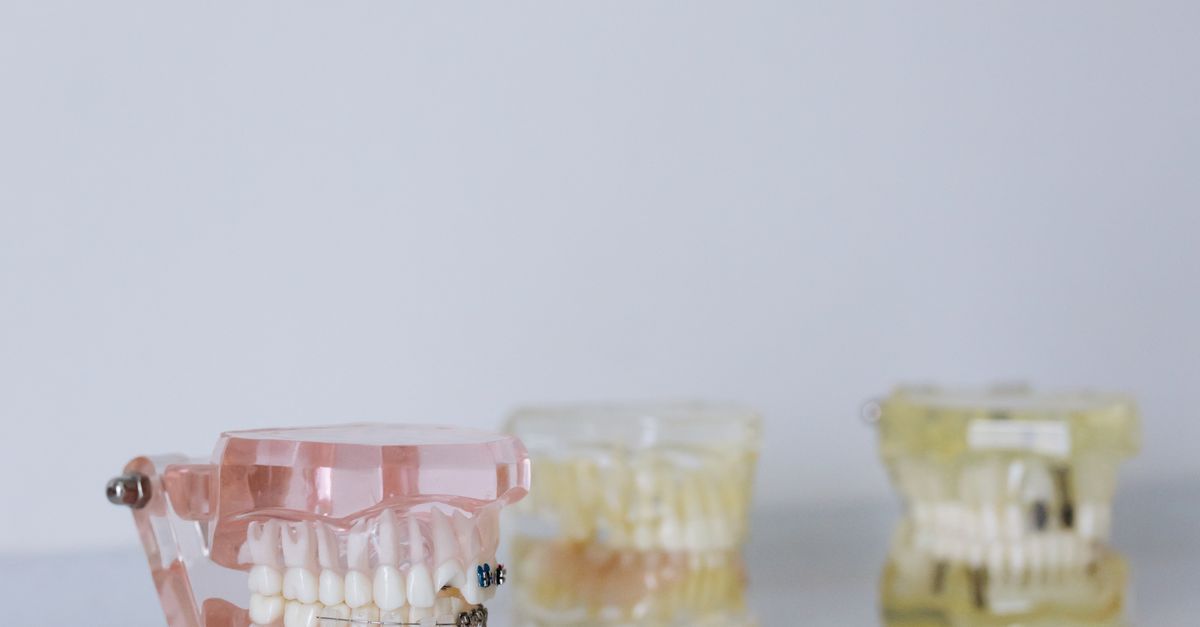
What missing-teeth space problems are
Teeth can be missing because they never developed, which is called hypodontia, or because they were lost to decay, injury or extraction. Apart from wisdom teeth, the teeth most commonly missing from birth are upper lateral incisors and lower second premolars. Sometimes a baby tooth stays in place for years above a missing adult tooth.
Common causes
- Genetics: hypodontia often runs in families
- Tooth loss from decay, gum disease or injury
- Previous extractions, including for earlier orthodontic treatment
- Retained baby teeth that eventually loosen or are lost
Why it matters
Over time, teeth next to a gap can tip into it, the opposing tooth can over-erupt, and the bite can shift. This can create uneven spaces, a midline shift or areas that are hard to clean. Once teeth have drifted, there may no longer be enough straight-sided space for an implant or bridge without orthodontic help.
How it is diagnosed
A RAY Quantum 5D CT (CBCT) scan confirms which teeth are missing or unerupted, shows the bone width and height in the gap, and reveals root positions of neighboring teeth, all important for deciding between closing the space or keeping it for an implant. Intraoral digital scans measure space precisely. Photos and the RAY Face 3D facial scan help judge how closing or opening spaces would affect lip support and smile balance. For children, skeletal maturity analysis helps time any future implant.
Treatment options
| Option | When it is often considered |
|---|---|
| Orthodontic space closure | Crowding is present, the bite allows it, or a replacement is not desired |
| Space opening or redistribution | Closing the space would harm the bite or profile; an implant, bridge or bonded tooth is planned |
| Keeping a healthy baby tooth | The baby tooth has good roots and position |
Appliances include metal or ceramic braces and clear aligners, often with temporary anchorage devices for controlled space closure. When a missing lateral incisor space is closed, the canine may be reshaped, sometimes with minimal-prep veneers. Implants and bridges are placed by a general dentist, prosthodontist or oral surgeon; the clinic coordinates the orthodontic part.
Typical timeline
Space closure and space opening commonly take roughly 12–30 months, depending on how far teeth need to move. If an implant is planned for a teenager, a temporary replacement may be worn until growth is complete. Individual results and side effects vary; treatment is decided after examination.
What to expect at Isu Yonsei Baro
Your first visit takes about 60 minutes, including CBCT, digital scans and photos. Dr. Lee explains in English the pros and cons of closing versus opening each space and how this fits with any future restoration. In Dr. Lee's practice, the decision is made with the whole face in mind, since closing spaces can reduce lip support while opening them may require a lifelong restoration. If you may relocate, complete English records can be prepared for the dentist who places the implant.
At a glance
- Clinical terms: hypodontia (congenitally missing teeth), edentulous space
- Commonly missing from birth: upper lateral incisors and lower second premolars, apart from wisdom teeth
- Two main paths: orthodontic space closure, or space opening for a future replacement
- Implants are usually placed after jaw growth has finished, by a dentist or surgeon
- Typical treatment: roughly 12–30 months depending on the plan (not a promise)
Your orthodontist
Dr. Sally Chaekyung Lee, DDS, PhD
- MOHW-certified orthodontic specialist
- PhD in Orthodontics, Yonsei University; Severance Hospital residency
- Member, Edward H. Angle Society of Orthodontists
- 2026 AJO-DO peer reviewer
- Consults in fluent English and treats you herself, start to finish
Isu Station Exit 2 · 1-minute walk
Mon & Thu until 9 PM · Sat 9 AM–2 PM
+82 2-592-2080
Frequently asked questions
Should I close the gap or get an implant?
It depends on your bite, crowding, facial profile, bone and personal preference. Closing the space avoids a lifelong restoration but moves several teeth and may affect lip support. Opening it for an implant keeps tooth positions balanced but requires a restoration. An exam with CBCT helps compare both paths.
Can braces close the space from a missing tooth?
Often, yes. Braces or aligners can move neighboring teeth into the gap, sometimes with temporary anchorage devices to control which teeth move. Large back-tooth gaps in adults can take longer and may be limited by bone width. Feasibility is confirmed after scans and examination.
My child is missing adult teeth. What should we do now?
Early evaluation helps plan whether to keep baby teeth, guide spaces closed or hold space for future replacement. Implants are usually delayed until jaw growth has finished, often in the late teens or later, so temporary solutions may be used meanwhile. A long-term plan reduces surprises.
Do I need orthodontics before an implant?
If teeth next to the gap have tipped or the opposing tooth has over-erupted, there may not be enough correctly shaped space for an implant. Short orthodontic treatment can upright teeth and create a better space. Your implant dentist and orthodontist can coordinate the timing.
Related reading
This page is general information, not a diagnosis. Individual results and side effects vary; treatment is decided after an in-person examination. See our editorial and medical review policy .
Talk to Dr. Lee in English
Send your concern and preferred dates. You'll get an examination, your options, a timeline and a written estimate before you decide anything.