
Deep Bite Correction in Seoul with an English-Speaking Orthodontist
Quick answer
A deep bite (deep overbite) means the upper front teeth cover too much of the lower front teeth when you bite, sometimes so the lower teeth touch the palate. At Isu Yonsei Baro Orthodontics, Dr. Sally Chaekyung Lee evaluates teeth, gums and jaw growth with CBCT and scans, then corrects it with braces or aligners, often alongside growth guidance in teens.
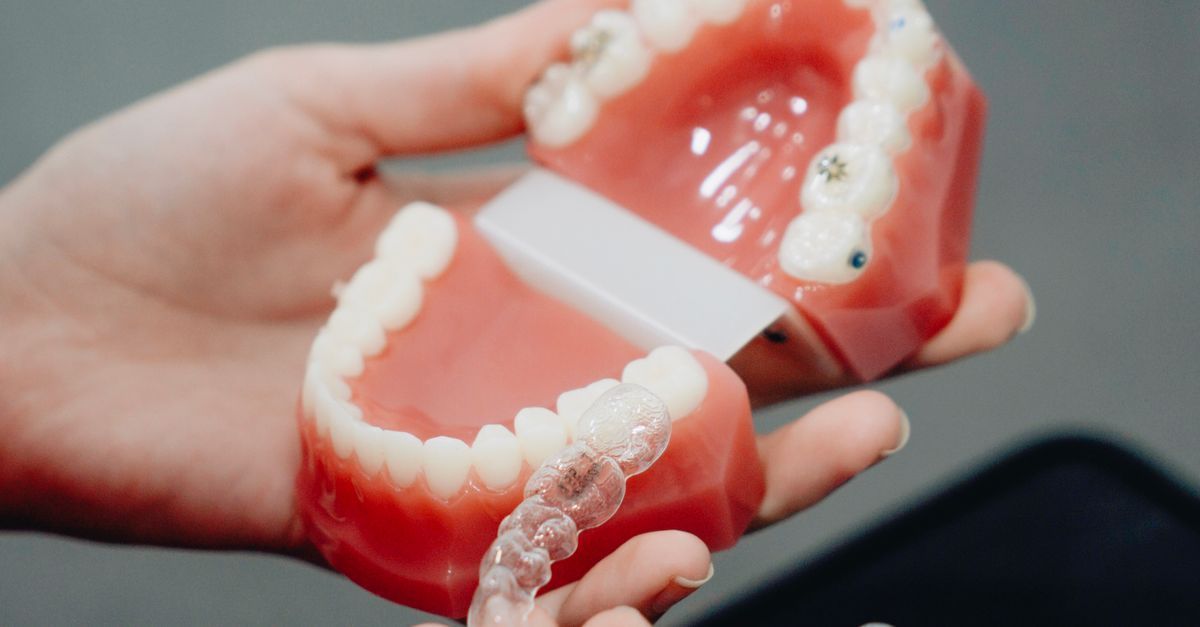
What a deep bite is
When you close your back teeth together, the upper front teeth normally overlap the lower ones by a few millimeters. In a deep bite, also called a deep overbite, that vertical overlap is excessive. In severe cases the lower incisors disappear behind the upper teeth or bite into the gum behind them. A deep bite is different from overjet, which is how far the upper teeth stick out horizontally, although the two often appear together.
Common causes
- Skeletal pattern: a short lower face height or a lower jaw positioned further back (Class II)
- Over-erupted front teeth or under-erupted back teeth
- Upper incisors that are tipped backward, sometimes seen with a strong lip muscle pattern
- Missing or worn back teeth allowing the bite to collapse
Why it matters
A deep bite can wear down the edges of the front teeth over time, irritate the gum or palate, and limit how freely the lower jaw moves. Some people also feel their lower face looks short or their smile shows too much gum. Not every deep bite causes problems, but significant ones are worth assessing before damage accumulates.
How it is diagnosed
Dr. Lee measures overbite and overjet on a digital scan and examines tooth wear and gum health. A RAY Quantum 5D CT (CBCT) scan shows the jaw relationship and root positions, while a RAY Face 3D facial scan records lower face height and lip position, which guide whether the plan should intrude front teeth or allow back teeth to erupt. For children and teens, a skeletal maturity analysis estimates how much growth remains.
Treatment options
Deep bites are treated with metal, ceramic or lingual braces, or with clear aligners such as Invisalign using bite ramps and planned intrusion. Temporary anchorage devices can help raise over-erupted front teeth. In growing patients, teen orthodontics can use growth to help bring the lower jaw forward. Adults with a severe skeletal deep bite may be offered surgical orthodontics.
Typical timeline
Comprehensive deep bite correction commonly takes about 12–24 months. A published clinic case, a teenager with a deep bite and a displaced canine, was treated with braces without extractions in 18 months. Deep bites can partly return, so long-term retainer wear is important. Individual results and side effects vary; treatment is decided after examination.
What to expect at Isu Yonsei Baro
The first visit lasts about 60 minutes and includes digital scans, X-rays or CT and photos. Dr. Lee explains in English how deep your bite is, whether the cause is mainly dental or skeletal, and what each option would change in your smile and profile. In Dr. Lee's practice, the amount of tooth showing at rest and when smiling is used to decide whether front teeth should be raised or back teeth lowered. You leave with a written estimate.
At a glance
- Clinical term: deep overbite, excessive vertical overlap of the incisors
- Often seen with Class II bites, worn front teeth or a gummy smile
- Typical comprehensive treatment: roughly 12–24 months (not a promise)
- Treatable with braces or aligners; growth timing can help in teens
- Published clinic case: teen deep bite plus displaced canine, braces, non-extraction, 18 months
Your orthodontist
Dr. Sally Chaekyung Lee, DDS, PhD
- MOHW-certified orthodontic specialist
- PhD in Orthodontics, Yonsei University; Severance Hospital residency
- Member, Edward H. Angle Society of Orthodontists
- 2026 AJO-DO peer reviewer
- Consults in fluent English and treats you herself, start to finish
Isu Station Exit 2 · 1-minute walk
Mon & Thu until 9 PM · Sat 9 AM–2 PM
+82 2-592-2080
Frequently asked questions
Is a deep bite the same as an overbite?
People often use overbite to mean teeth that stick out, but clinically overbite is the vertical overlap of the front teeth. A deep bite is an excessive vertical overlap. Teeth that protrude forward are described as increased overjet. Many people have both, and treatment addresses each one separately within the same plan.
Can Invisalign fix a deep bite?
Clear aligners can correct many deep bites using planned tooth intrusion and small bite ramps on the aligners, especially in mild to moderate cases. Severe or skeletal deep bites may respond more predictably to braces, temporary anchorage devices or growth treatment. The choice depends on what your scans show, which Dr. Lee explains at the consultation.
Does a deep bite cause jaw pain?
Research has not shown a clear direct link between deep bite and jaw joint pain for most people. A deep bite can restrict lower jaw movement and wear teeth, but jaw pain usually has several causes. If you have jaw symptoms, they are assessed separately and orthodontics is not presented as a certain fix.
What age is good for treating a deep bite in children?
Deep bites linked to a small or retruded lower jaw are often treated during the pubertal growth spurt, roughly ages 10–14, when growth can help. Earlier evaluation around age 7 helps time treatment. A skeletal maturity analysis can estimate where a child is in their growth.
Related reading
This page is general information, not a diagnosis. Individual results and side effects vary; treatment is decided after an in-person examination. See our editorial and medical review policy .
Talk to Dr. Lee in English
Send your concern and preferred dates. You'll get an examination, your options, a timeline and a written estimate before you decide anything.