
How Long Does Invisalign Take?
Short answer
Invisalign typically takes a few months for limited front-teeth cases and roughly 12–30 months for comprehensive treatment, depending on how much your teeth need to move and how consistently you wear the aligners. At Isu Yonsei Baro Orthodontics in Seoul, Dr. Sally Lee gives you an estimated timeline in English after a full exam.
The short answer: it depends on the movement
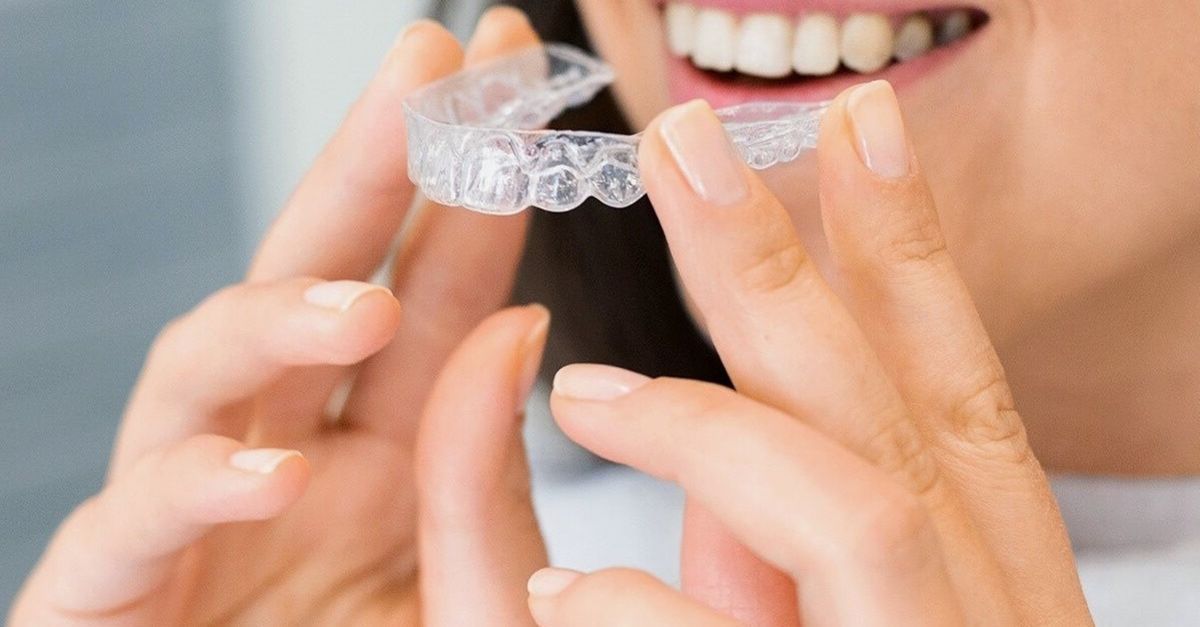
Invisalign moves teeth through a series of custom aligners, each making small, planned changes. How long it takes depends mostly on how far your teeth need to move and how complex your bite is. A small gap or mild crowding of the front teeth may be addressed relatively quickly, while correcting a deep bite, crossbite or significant crowding usually takes longer.
Typical timelines
| Case type | Typical range |
|---|---|
| Limited (front teeth only) | Often several months |
| Comprehensive (full bite) | Roughly 12–30 months |
| Retention | Ongoing after active treatment |
These are typical ranges, not promises. Your own estimate should come from an exam.
What makes treatment faster or slower
- Wear time. Aligners only work while you wear them. Most plans call for roughly 20–22 hours a day.
- Case complexity. Rotations, bite corrections and root movement take more time.
- Refinements. Many cases need an extra set of aligners near the end to fine-tune the result.
- Biology. Bone and gum response varies from person to person and with age.
- Supporting procedures. Some plans use temporary anchorage devices or elastics.
An example from our clinic
One consented case published on our site involved an adult with crowded teeth treated with Invisalign without extractions over 20 months. Every case is different, but it shows how comprehensive treatment often fits within the typical range.
What to expect at Isu Yonsei Baro
Your first visit takes about 60 minutes. We take an intraoral digital scan, X-rays or 3D CBCT with our RAY Quantum 5D CT, and photos. Dr. Sally Chaekyung Lee, an Invisalign certified orthodontic specialist and 2026 Invisalign Purple Diamond provider, examines your teeth, bite and jaw and explains a realistic timeline in English along with a written estimate.
In Dr. Lee's practice, timelines are planned around both the biology and your life in Seoul, including travel or a planned move. If you have a fixed departure date, tell us early so we can set realistic goals, such as a limited plan, or sequence treatment so you leave at a sensible stage.
After the aligners
When active treatment ends, retainers keep teeth from drifting back. Retention is a long-term part of orthodontics, so plan for it from the start.
Individual results and side effects vary; treatment is decided after examination.
Key points
- Limited cases are often shorter; comprehensive cases typically 12–30 months
- Aligners are usually worn about 20–22 hours a day
- Refinement aligners can extend treatment
- Retainers are needed afterward to keep results
- Example: an adult crowding case treated non-extraction in 20 months
Answered by
Dr. Sally Chaekyung Lee, DDS, PhD
- MOHW-certified orthodontic specialist
- PhD in Orthodontics, Yonsei University; Severance Hospital residency
- Member, Edward H. Angle Society of Orthodontists
- 2026 AJO-DO peer reviewer
- Consults in fluent English and treats you herself, start to finish
People also ask
Can Invisalign be finished in six months?
Some limited cases, such as mild front-teeth crowding, may finish in a matter of months. Comprehensive bite correction usually takes longer. Dr. Lee can tell you whether a shorter, limited plan suits your goals after examining your teeth and bite.
What happens if I don't wear my aligners enough?
Teeth may not follow the planned stages, which can lead to poorly fitting aligners, the need for extra refinements and a longer overall timeline. Consistent wear of roughly 20–22 hours a day is one of the biggest factors you control.
Is Invisalign faster than braces?
Not necessarily. For some cases timelines are similar; for others, braces or aligners may be more efficient. Speed depends on the movements required and on cooperation. Dr. Lee can compare both options for your specific case.
How often do I change aligners?
Aligner change intervals are set by your orthodontist and can vary with the plan. Follow the schedule Dr. Lee gives you, and attend check-ups so she can confirm your teeth are tracking before you move to the next stages.
Related reading
This page is general information, not a diagnosis. Individual results and side effects vary; treatment is decided after an in-person examination. See our editorial and medical review policy .
Have a question about your own teeth?
Send a message with photos or previous records. Dr. Lee will tell you what an examination would look at, in English.