Single Tooth Implant Cost Breakdown in Korea
Single Tooth Implant Cost Breakdown in Korea
A single tooth dental implant is one of the most common and effective ways to replace a missing tooth. In Korea, implant treatment is known for high clinical standards, global implant brands, and competitive pricing compared with many Western countries. Here’s a clear breakdown of what you can expect to pay for a single implant in Korea and what those costs include.
1. What’s Included in a Single Tooth Implant Cost
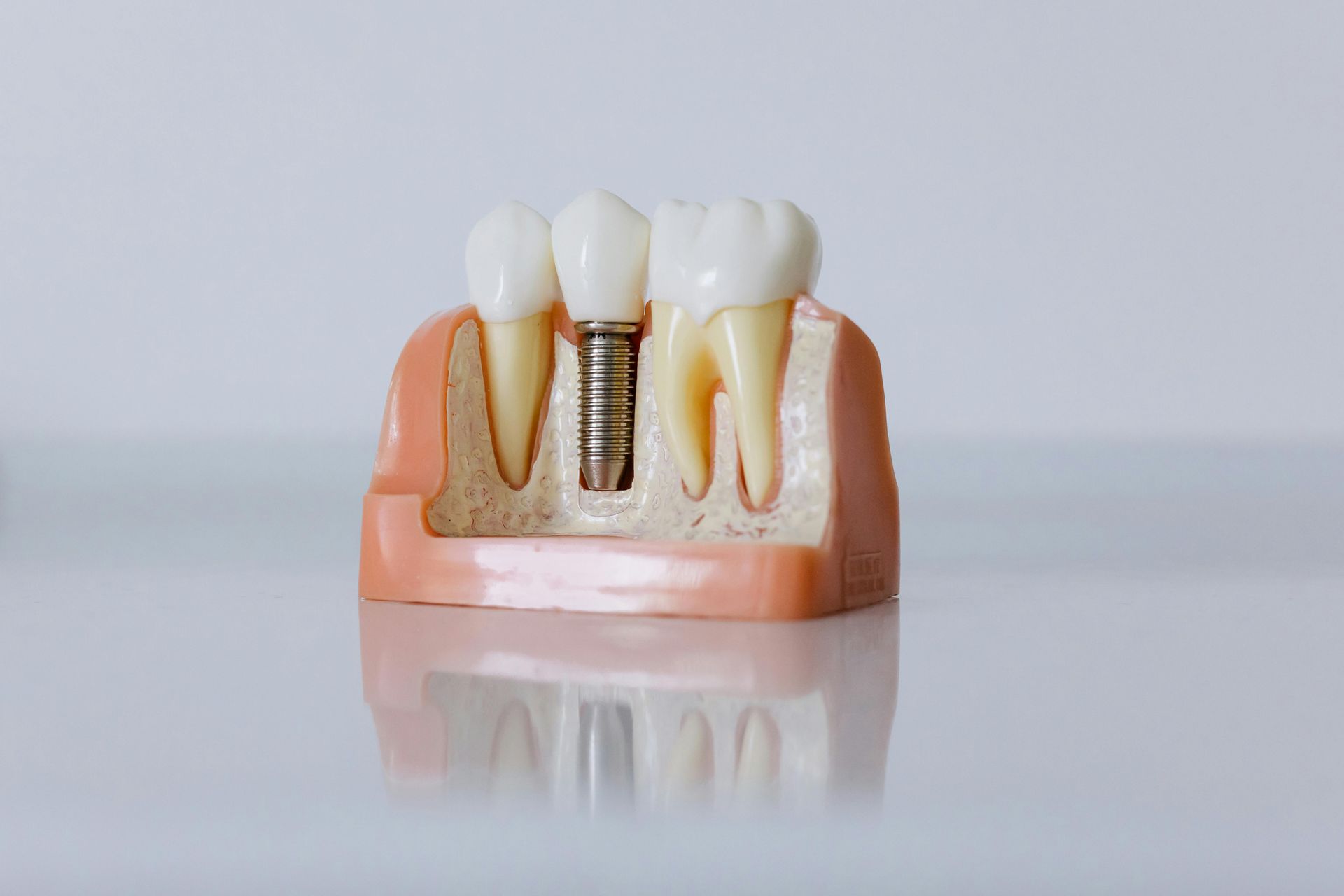
A full single tooth implant procedure typically includes three main components:
1. Implant Fixture
This is the titanium or ceramic post that is surgically placed into the jawbone to act as an artificial root.
2. Abutment
This connector piece links the fixture to the final crown.
3. Crown (Prosthesis)
This is the visible replacement tooth, usually made of porcelain or zirconia, designed to match surrounding teeth.
Many clinics in Korea offer all-inclusive pricing for a single implant, meaning these components are bundled into one fee with surgery, prosthesis, and follow-up visits included.
2. Typical Price Range for a Single Tooth Implant
In Korea, a single dental implant usually costs:
KRW 1,000,000 – KRW 2,700,000 per tooth
(This is roughly
USD $700 – $2,000) depending on materials, clinic, and case complexity.
Some clinics offer comprehensive packages around USD $1,000 per implant that include diagnostics, implant, abutment, and crown.
Extremely low advertised prices (e.g., under KRW 700,000) may reflect limited inclusions (only implant fixture or basic components), so it’s important to confirm what’s covered.
3. Cost Breakdown by Component (Example)
While many clinics quote an all-in price, here’s an illustrative breakdown that helps you understand how the total is built:
- Consultation & Imaging (X-ray, CT): KRW 50,000–150,000
- Implant Fixture (Surgical Placement): KRW 900,000–1,800,000
- Abutment (Connector): KRW 200,000–500,000
- Crown (Porcelain/Zirconia): KRW 400,000–900,000
Total range: KRW 1.5M – KRW 3.0M when priced per component.
This example shows why all-inclusive quotes are useful — they bundle these elements into one simplified cost.
4. Additional Costs You May Encounter
Bone Grafting (If Needed)
If your jawbone lacks sufficient volume or density, bone grafting can improve implant success. Prices vary, but typically range from modest additional fees to higher depending on material and volume required.
Sinus Lift (Upper Jaw)
When implants are placed in the upper rear jaw and bone height is low, a sinus lift may be necessary, which adds to total cost.
Follow-Up Care
Post-operative checkups, minor adjustments, and routine maintenance are often included but should be clarified with your clinic.
5. Factors That Affect Price
Several elements influence how much you’ll pay for a single implant in Korea:
Brand of Implant
Korean brands (e.g., Osstem, Dentium, Megagen) are widely used and generally less expensive than some imported European or Swiss systems.
Clinic Location and Reputation
Premium clinics in central Seoul or specialty centers may charge higher fees owing to advanced technology and expertise.
Complexity of Case
If preparatory surgeries (extraction, periodontal work, bone grafting) are required, total cost increases.
Materials Used for Crown
Zirconia crowns tend to cost more than basic porcelain crowns, especially if customized for aesthetics.
6. Insurance Considerations in Korea
Dental implants are typically not covered by standard Korean national health insurance for most patients. However, Korean citizens aged 65 and older may receive partial coverage for a limited number of implants under specific conditions. Out-of-pocket payment is the norm for most cases.
7. Comparing Korea’s Costs with Other Countries
A single implant in Korea is generally more affordable than in the U.S., U.K., or Australia. For example, similar procedures abroad often exceed USD $3,000–$7,000 per tooth, making Korea a cost-effective option even for international patients.
8. Final Thoughts: Planning Your Treatment
When planning a single dental implant in Korea:
- Confirm what’s included in the quoted price (implant, abutment, crown, imaging, follow-ups).
- Ask for a detailed cost breakdown and treatment timeline.
- Consider consultations at multiple clinics to compare quality, experience, and pricing.
Understanding the detailed cost structure empowers you to make informed decisions and ensures there are no surprises when it comes time for treatment.
If you’re ready to explore options, schedule a consultation with a qualified dentist in Korea to receive a personalized treatment plan and accurate cost estimate.