Why Dental Treatment Is Faster and Cheaper in Korea
Why Dental Treatment Is Faster and Cheaper in Korea
Many patients are surprised by how quickly dental treatment can be completed in Korea—and how affordable it is at the same time. Procedures that may take weeks or multiple appointments elsewhere are often finished in just days in Korean dental clinics. This speed does not come at the expense of quality. Instead, it reflects how the Korean dental system is structured for efficiency and precision.
Efficiency Is Built Into the System
Korean dental clinics are designed to minimize unnecessary steps. From diagnosis to treatment completion, workflows are streamlined so patients can move through care quickly. Digital records, same-day planning, and tightly scheduled appointments allow dentists to reduce waiting times and shorten overall treatment duration.
Efficiency lowers operational costs, and those savings are passed on to patients.
Advanced Technology Reduces Treatment Time
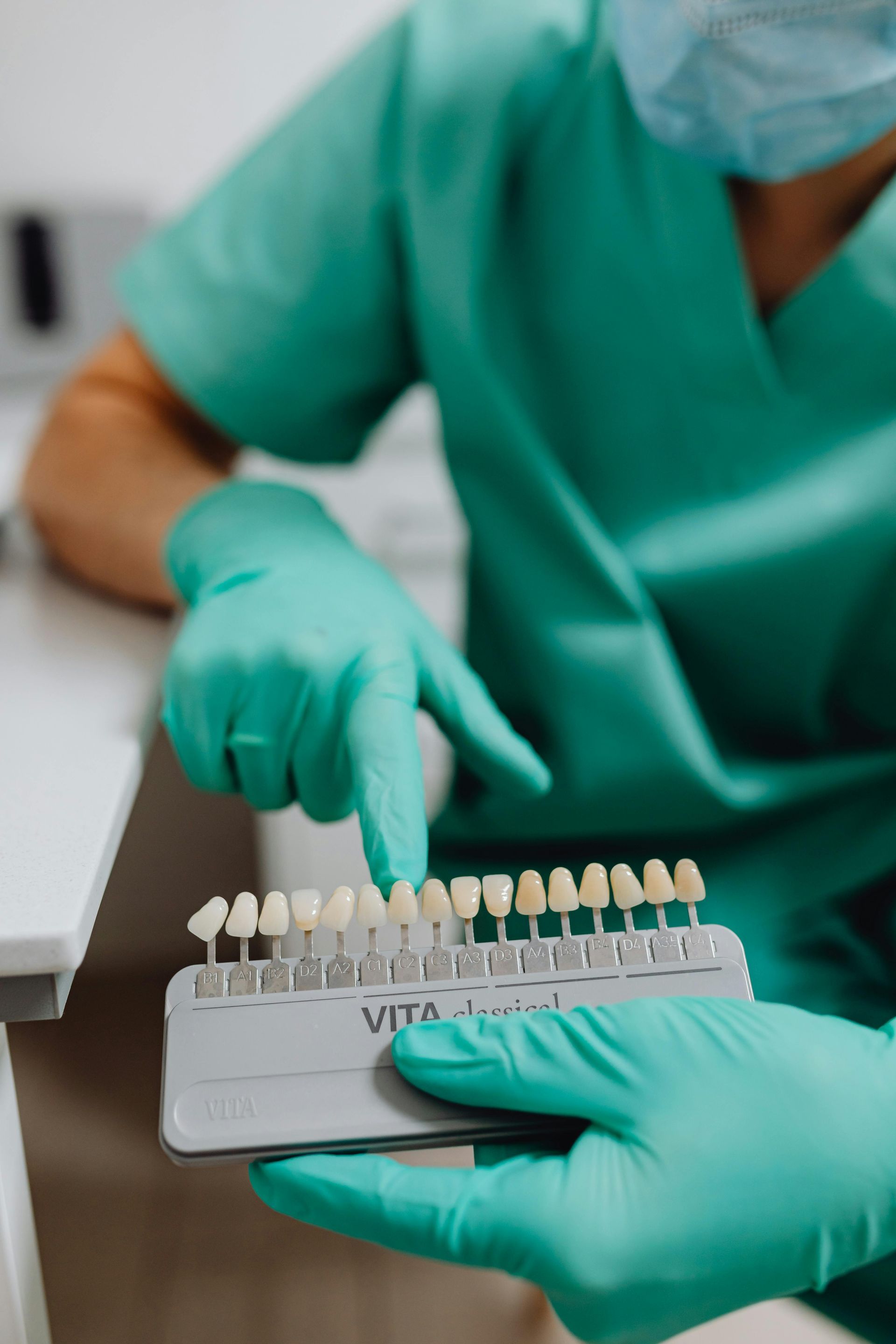
Modern dental technology is standard in Korea rather than an optional upgrade. Digital scanners replace traditional impressions, 3D imaging improves diagnostic accuracy, and CAD/CAM systems allow for faster fabrication of crowns and veneers.
Because technology improves precision, dentists spend less time correcting errors or making adjustments, which shortens treatment timelines and reduces labor costs.
Same-Day and Short-Term Treatment Culture
Korean dentistry emphasizes completing treatment as quickly as clinically appropriate. Same-day crowns, rapid veneer fabrication, and efficient implant workflows are common. Clinics plan procedures carefully to combine multiple treatments into fewer visits when possible.
This approach benefits both patients and clinics by reducing chair time, appointment gaps, and overhead expenses.
Highly Competitive Dental Market
Korea has a high number of dental clinics, particularly in major cities. This competition keeps prices reasonable and encourages clinics to operate efficiently. Dentists who are slow, expensive, or inconsistent struggle to compete, which pushes the entire market toward better value and faster service.
Lower prices are not a sign of lower quality, but a result of competition-driven efficiency.
Strong Domestic Dental Manufacturing
Many dental materials used in Korea—such as implants, prosthetics, and lab components—are produced locally. High-quality domestic manufacturing reduces reliance on expensive imports and shortens supply chains.
Faster access to materials means faster treatment completion and lower overall costs.
High Patient Volume Improves Cost Control
Korean dental clinics often treat a large number of patients daily. This allows clinics to spread equipment costs, staff salaries, and facility expenses across more cases. High volume also helps dentists refine procedures, improving speed and consistency.
Greater efficiency at scale results in lower per-patient costs without reducing care quality.
Clear Treatment Planning and Fewer Revisions
Korean dentists typically invest significant time in diagnosis and planning before starting treatment. Accurate planning reduces the need for revisions, remakes, or prolonged adjustments.
Fewer corrections mean faster results and lower total costs for patients.
Focus on Practical, Results-Oriented Care
Treatment in Korea tends to prioritize function, longevity, and realistic aesthetics rather than unnecessary add-ons. Conservative, well-planned care avoids overtreatment and keeps procedures focused on what patients actually need.
This practical approach helps control both time and cost.
Final Thoughts
Dental treatment in Korea is faster and cheaper because the system is optimized for efficiency—not because quality is compromised. Advanced technology, competitive pricing, streamlined workflows, and experienced dentists all contribute to shorter treatment timelines and lower costs. For patients seeking reliable dental care completed quickly and affordably, Korea offers a uniquely effective model.