Dental Implant Price Overview in Korea
Dental Implant Price Overview in Korea: A Complete Guide
Dental implants are widely regarded as the most effective long-term solution for replacing missing teeth. In Korea, dental implant treatments combine advanced technology, skilled clinicians, and competitive pricing—making them a sought-after option for both local patients and international visitors.
This guide breaks down typical dental implant costs in Korea, what’s included, key factors that influence pricing, and how to plan for treatment.
What Is a Dental Implant?
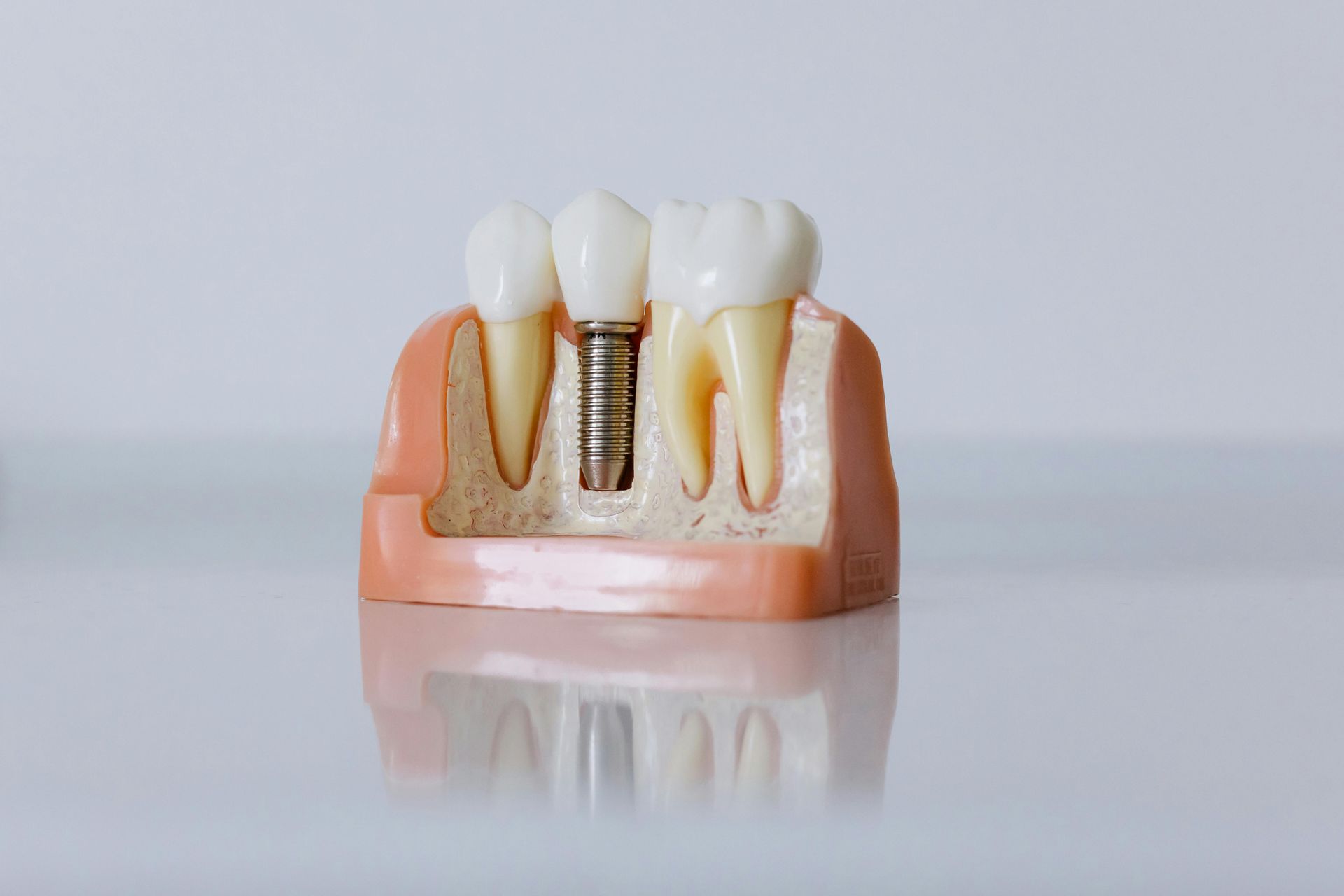
A dental implant consists of a titanium or ceramic post surgically placed into the jawbone, acting as an artificial tooth root. After the implant integrates with the bone, an abutment and crown are added to restore function and appearance. Implants help preserve bone, improve chewing ability, and provide a stable foundation for replacement teeth.
Typical Dental Implant Costs in Korea
Single Dental Implant (All-Inclusive)
For a straightforward case that includes the implant fixture, abutment, and crown, the total cost is typically in the range of:
KRW 1,000,000 – KRW 3,000,000 per implant
This includes surgery, prosthetic components, and follow-up visits in many clinics.
Translated to USD, this range is roughly $700 – $2,500 per tooth depending on materials and clinic standards.
You may also find individual component pricing (fixture, abutment, crown) quoted separately with implantation fees starting around KRW 900,000 – 1,800,000 and abutment/crown fees added on.
Other Implant-Related Pricing You Should Know
Multi-Unit Implant Bridges
For replacing several adjacent missing teeth with implant-supported bridges, typical cost ranges might be:
KRW 4,500,000 – KRW 6,500,000+
This usually replaces 2–3 teeth with 2 implants and fixed prosthetics.
Full-Arch Implant Solutions (All-on-4 / All-on-6)
For full upper or lower arch restorations using multiple implants:
KRW 9,000,000 – KRW 18,000,000 per arch or more
This range varies based on the number of implants and type of final prosthesis.
Additional Surgical Costs
Not all patients need these, but they can be necessary for successful implant treatment:
- Bone graft (to build deficient bone): approximately KRW 300,000 – KRW 900,000+ depending on material and complexity.
- Sinus lift (for upper back jaw bone support): costs vary with technique and extent.
What Influences Dental Implant Prices in Korea
Several factors can affect the final cost you’ll pay:
1. Implant System and Brand
Korean dental implant brands tend to be priced lower than some imported systems, yet still offer quality and reliability.
Clinics may use premium imported implants (e.g., Swiss or global premium brands), which increases cost.
2. Clinic Location and Reputation
Major urban centers like Seoul and premium dental districts such as Gangnam may charge higher fees reflecting clinic technology, experience, and overhead.
3. Complexity of the Case
Cases requiring bone grafting, sinus lifts, or extractions before implant placement will cost more.
4. Materials Used for Prosthetics
The choice of abutment and crown (zirconia, ceramic, etc.) impacts price. Premium crowns may add more to the overall cost than basic options.
5. Insurance and Age Factors
Korean national health insurance may partially cover dental implants for patients meeting specific criteria (e.g., age 65+ with certain conditions). However, most implant procedures are private pay with health insurance covering only a portion if eligibility is met.
Additionally, private dental or tooth insurance policies might help cover part of implant costs depending on plan terms.
Why Many Choose Korea for Dental Implants
- Competitive pricing compared to Western countries (often significantly lower).
- Advanced dental technology and digital workflows for precise placement and restoration.
- Experienced surgical teams and high success rates in implant dentistry.
- Comprehensive care from diagnosis to final prosthesis with packaged pricing.
Typical Treatment Timeline
- Consultation & Imaging: Evaluation, 3D scans, and treatment planning.
- Surgical Phase: Implant placement under local anesthesia.
- Healing/Osseointegration: Several weeks to months for bone to fuse with implant.
- Prosthetic Phase: Attachment of abutment and final crown or bridge.
Total timeline varies with individual bone condition and whether additional procedures (bone graft, extraction) are required.
Final Thoughts
Dental implant pricing in Korea is transparent and generally more affordable than in many other countries, thanks to competitive local markets and efficient clinical practices. Whether you’re considering a single implant, multiple units, or full-arch solutions, understanding the cost structure helps you make informed decisions and plan your treatment confidently.
Always consult with a qualified dental professional for a personalized treatment plan and accurate price estimate based on your oral health needs.