
Why Korean Crowns Reduce Bite and Jaw Issues
Why Korean Crowns Reduce Bite and Jaw Issues
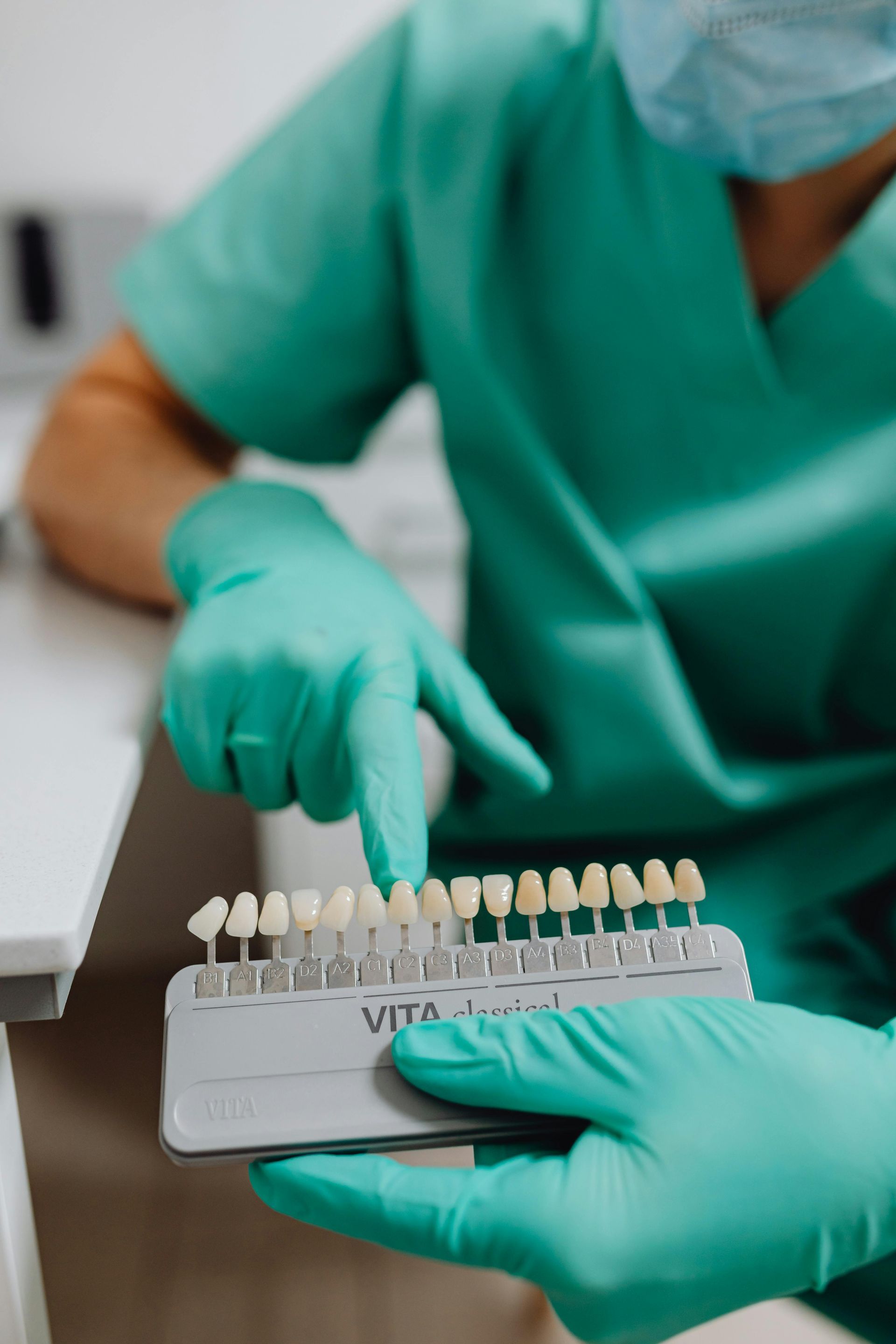
Dental crowns are more than cosmetic restorations—they directly affect how your teeth fit together, how your jaw moves, and how force is distributed when you bite. One of the reasons Korean dental care is highly regarded is its emphasis on bite accuracy and functional balance when placing crowns. This careful approach helps reduce bite discomfort, jaw strain, and long-term joint issues.
Crowns Play a Critical Role in Bite Health
Every crown changes the way upper and lower teeth contact each other. Even a slight height or angle error can lead to:
- Uneven bite pressure
- Jaw muscle fatigue
- Headaches or facial tension
- Clicking or discomfort in the jaw
Korean dentists approach crown placement as a functional correction, not just a replacement of tooth structure.
Precise Bite Analysis Before Treatment
Before placing a crown, Korean dentists carefully evaluate the patient’s bite and jaw movement. This includes examining:
- How teeth meet in a relaxed bite
- Side-to-side and forward jaw movement
- Existing wear patterns
- Muscle tension or asymmetry
Understanding these factors allows crowns to be designed to support natural jaw motion rather than disrupt it.
Digital Scanning Improves Crown Accuracy
Korean clinics commonly use digital scanners instead of traditional impressions. Digital scans capture exact tooth and bite relationships with high precision.
This level of accuracy helps:
- Reduce crown height errors
- Improve contact point alignment
- Minimize bite adjustments after placement
Better fit means less stress on the jaw and surrounding teeth.
Customized Crown Design, Not One-Size-Fits-All
Korean crowns are designed based on each patient’s unique bite rather than relying on generic shapes. Crown contours, cusps, and contact points are customized to guide the jaw smoothly during movement.
This individualized design reduces:
- Interference during chewing
- Clenching-related strain
- Pressure on the jaw joints
Customization is key to long-term comfort.
Attention to Occlusion During Final Placement
During crown placement, Korean dentists take extra time to fine-tune occlusion. Bite paper, digital sensors, and repeated checks ensure that pressure is evenly distributed.
Instead of forcing the jaw to adapt to the crown, the crown is adjusted to adapt to the jaw.
Balanced Force Distribution Protects the Jaw
Crowns that distribute force evenly reduce overload on specific teeth or jaw muscles. Balanced biting lowers the risk of:
- Jaw pain and stiffness
- Tooth fractures
- Accelerated wear on surrounding teeth
This protective effect is especially important for patients who clench or grind their teeth.
Integration With Overall Jaw Function
Korean dentists often consider crowns as part of the entire bite system rather than isolated restorations. Crowns are designed to work in harmony with adjacent teeth and opposing arches.
This system-based approach helps stabilize the bite and reduce strain on the temporomandibular joints over time.
Reduced Need for Post-Treatment Adjustments
Because crowns are planned and placed with bite accuracy in mind, patients often experience fewer post-treatment issues such as soreness, sensitivity, or bite imbalance.
Fewer adjustments mean faster adaptation and lower risk of developing jaw-related problems.
Long-Term Bite Stability
Crowns that respect natural bite mechanics help maintain stable jaw function long after treatment. This stability reduces the likelihood of developing bite shifts or jaw discomfort years later.
Long-term thinking is a hallmark of Korean restorative dentistry.
Final Thoughts
Korean crowns reduce bite and jaw issues because they are designed with function as a priority. Through precise diagnostics, customized design, and careful occlusal adjustment, Korean dentists ensure that crowns support natural jaw movement instead of disrupting it. The result is improved comfort, better bite balance, and long-term oral health.