Orthodontic Treatment Cost Guide in Korea
Orthodontic Treatment Cost Guide in Korea: Simple Patient Overview
Orthodontic treatment is used to correct crooked teeth, misaligned bites, crowding, spacing issues, and other dental alignment concerns. In Korea, orthodontic care is widely available with modern technology, customized treatment plans, and competitive pricing. This guide explains typical costs, what affects pricing, and what patients should expect when considering orthodontic treatment.
What Is Orthodontic Treatment?
Orthodontic treatment involves the use of braces or aligners to gradually move teeth into a better position for improved function, comfort, and appearance. Treatment types include traditional metal braces, clear or ceramic braces, and removable clear aligners. Orthodontics can be performed on adolescents and adults alike, and many clinics in Korea offer digital planning, 3D imaging, and customized appliances.
Average Orthodontic Treatment Costs in Korea
Orthodontic pricing in Korea varies depending on the type of treatment chosen and case complexity. Typical cost ranges are as follows:
- Traditional Metal Braces: Generally, the most affordable fixed appliance option.
- Ceramic (Clear) Braces: Mid-range option offering improved aesthetics compared to metal braces.
- Lingual Braces: Custom brackets placed on the tongue side of teeth, typically higher in price.
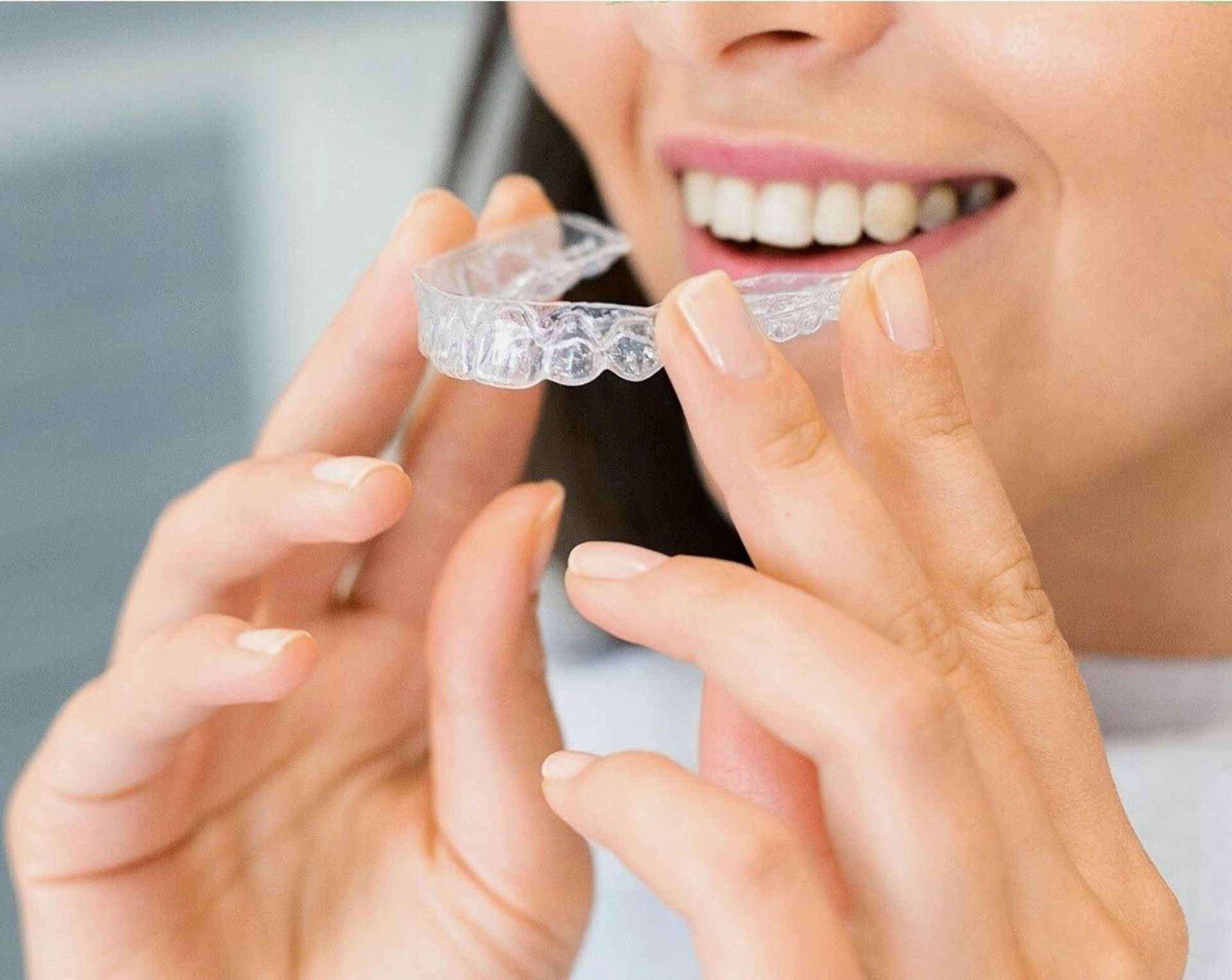
- Clear Aligners (e.g., Invisalign-style): Removable and aesthetic aligner systems with flexible pricing.
Because every patient’s dental condition is unique, clinics often provide individualized cost estimates after a consultation and examination.
What’s Usually Included in Orthodontic Fees
Most orthodontic treatment plans in Korea include:
- Initial consultation and dental examination
- Diagnostic records (X-rays, photos, impressions or digital scans)
- Fabrication and placement of braces or aligner trays
- Regular adjustment appointments throughout treatment
- Retainers at the end of active treatment (often included)
Some clinics may quote a single comprehensive fee covering the entire treatment, while others may separate certain services (e.g., retainers or refinements) as additional items.
Factors That Affect Orthodontic Costs
Several factors influence the final price of orthodontic treatment in Korea:
1. Type of Orthodontic Appliance
Different systems have different costs based on materials and customization:
- Fixed metal braces are usually the most economical.
- Ceramic or clear braces cost more due to aesthetic appeal.
- Lingual braces and premium clear aligner systems often command the highest fees.
2. Case Complexity
Minor alignment issues may require shorter treatment and lower fees, while complex bite problems, severe crowding, or surgical orthodontic cases require longer treatment and higher fees.
3. Duration of Treatment
Longer treatment plans involving more adjustment visits can increase the total cost.
4. Clinic Technology and Expertise
Clinics offering digital diagnostics, 3D planning, and advanced appliance systems may charge higher prices.
5. Retainers and Follow-Up
Some clinics include retainers and post-treatment follow-ups in the original fee, while others list them as separate charges.
Common Orthodontic Treatment Options
Metal Braces
Traditional braces with metal brackets and wires. Durable and effective for most misalignment types.
Ceramic (Clear) Braces
Brackets made of tooth-colored materials that blend with teeth for a less noticeable look.
Lingual Braces
Braces placed on the back (tongue side) of the teeth, offering a hidden option for aesthetics but often costing more.
Clear Aligners
Removable, nearly invisible trays that gradually shift teeth. Many clinics in Korea offer aligner systems with digital planning and multiple tray sets.
Typical Treatment Duration
Orthodontic treatment usually ranges from 12 to 36 months, depending on how much movement is needed and the specific method used. Regular checkups and adjustments are part of this period.
Payment Plans and Options
Because orthodontic treatment is a long-term plan, many clinics in Korea offer:
- Monthly payment plans
- Installment options
- Split payments between diagnostic, active treatment, and retainers
It’s important to ask about these options during your consultation to ease financial planning.
Insurance and Coverage Considerations
Orthodontic treatment in Korea is typically considered a non-covered dental service. National health insurance may not pay for routine orthodontics, but certain medical conditions with documented functional issues might be eligible for partial coverage. Private dental insurance plans may offer reimbursement for orthodontics depending on policy terms.
Is Orthodontic Treatment Worth the Cost?
Good orthodontic care can provide benefits such as:
- Better oral health and easier cleaning
- Reduced risk of tooth wear and jaw problems
- Improved bite function
- Enhanced smile aesthetics
For many patients, the long-term benefits outweigh the cost, especially when treatment is tailored to individual needs.
Tips Before Starting Treatment
Before beginning orthodontic treatment, consider:
- Asking for a detailed, itemized cost estimate
- Clarifying what is included in the quoted fee
- Understanding how many visits and adjustments are scheduled
- Inquiring about retainers and post-treatment costs
Clear communication ensures you know what to expect financially and clinically.
Final Thoughts
Orthodontic treatment costs in Korea vary by appliance type, case complexity, and clinic services. By understanding the typical price ranges and what influences them, you can choose a treatment plan that fits your goals and budget. Schedule a consultation with a qualified orthodontist to receive a personalized treatment estimate and timeline tailored to your situation.